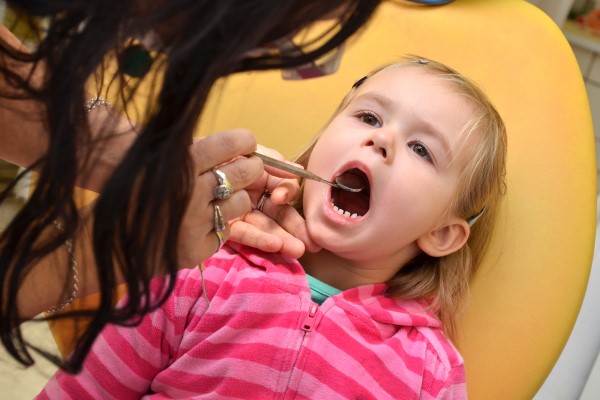
Sedation dentistry aims to alleviate the stress and discomfort that many patients experience during dental checkups. The first time a child visits a dentist, they establish an opinion about dental care. Some youngsters fear going to the dentist because of the new sights, sounds, and scents they encounter there, while others develop an aversion to the unpleasant, intrusive treatments that may take place there. Therefore, many children have a fear of the dentist, which may lead to an unpleasant experience during appointments.
The need for sedation dentistry during pediatric dental visits
The use of sedation dentistry is common in different situations. Both children and adults may benefit from sedation, as it minimizes the chance of harm and makes the visit less unpleasant. Some youngsters have difficulty coping with dentist visits because of their fear. Their treatment becomes more bearable when they are sedated. Finally, children with special needs can benefit greatly from sedation as it deters unplanned movements and encourages cooperation.
Common sedation options
There are various sedation methods offered by pediatric dentists, each with its own set of advantages. Sedation dentistry begins with evaluating a child's medical history, anticipated length of treatment, and comfort level before proposing a form of sedation. As long as children are conscious, they can converse normally, follow directions, and cooperate throughout the operation. The following are the most common options:
Nitrous oxide: For children who show indications of worry or anxiety, nitrous oxide (often known as "laughing gas") may be prescribed by the pediatric dentist. A mask covering the child's nose is used to administer nitrous oxide. Nitrous oxide is usually mixed with oxygen, allowing easy breathing via the nose and mouth. Laughing gas may induce euphoria in youngsters and rapidly calm them down. Additionally, it is rapid-acting, painless to administer, and has a short half-life. To verify that the nitrous oxide has been entirely expelled from the child's system, the pediatric dentist uses ordinary oxygen for several minutes before removing the mask altogether. Nitrous oxide may cause nausea in rare cases. Therefore, dentists recommend limiting food consumption before the dental visit
Oral sedation: There are times when an oral sedative may be used to help children who are recalcitrant and unable to control their muscles for an extended duration. Children may experience drowsiness when given oral sedatives, which come in various forms (tablets, pills, and liquids). When oral sedatives are utilized, the pediatric dentist may ask parents to prepare their children before their session. Common preparation actions include restricting food and fluid intake before the visit, ensuring that the kid wears comfortable clothes, and preparing to remain with the child for some hours after the appointment. There are hardly any major adverse effects associated with oral sedatives, with nausea being the most prevalent.
The sedation dentistry process
Parents may make the sedation process go more easily before their child gets in for sedation. The American Academy of Pediatric Dentistry recommends that parents explain to their children what goes on with sedation and dental operations. Patients should adhere to the dentist's dietary restrictions before receiving sedation dentistry. Parents should provide the child's medical history and prescription list to the dentist to ensure that they can offer the appropriate type and level of sedation.
Parents should maintain a calm demeanor at the dental office for their child's sake. Bringing a teddy bear or blanket from home might help the child feel more at ease during their dental appointment. Parents may also need to hold the child's hand to help calm them down.
The dentist will take various safety measures while the child is undergoing sedation dentistry. When a child is sedated, the dental professionals will watch their vital signs to ensure that any anomalies are seen and handled quickly.
The symptoms of sedation, such as dizziness, tiredness, and nausea, might last for the remainder of the day, so keep the child's schedule flexible after that. The child should relax at home rather than return to school or daycare. The child should only eat soft foods for a few hours following the treatment.
Parents should seek immediate medical attention if adverse reactions occur. The pediatric dentist needs to know if the child develops vomiting, severe discomfort, serious bleeding, or a fever.
Final note
Intravenous (IV) sedation, suppositories, and a nasal spray are some less common methods of administering sedatives. The chemical makeup of the sedative stays the same in most circumstances, regardless of the route of administration. The pediatric dentist can answer any of your inquiries or address your concerns regarding sedation dentistry.
Request an appointment here: https://www.hvkidsmiles.com or call Hudson Valley Pediatric Dentistry at (845) 363-4177 for an appointment in our Middletown office.
Check out what others are saying about our dental services on Yelp: Sedation Dentistry in Middletown, NY.
Recent Posts
Dental fillings are a key part of protecting children’s oral health. When prevention efforts fail, this simple procedure stops cavities from doing further damage to dental health. Here, we take a closer look at the benefits of treating childhood tooth decay with dental fillings for kids.According to the Centers for Disease Control and Prevention (CDC),…
Cavities are a common dental health issue, and as kids learn to care for their teeth, they are often more prone to developing them. Dental fillings for kids can help avoid future oral health complications and protect their young smiles. Here are the basics of the treatment process that you should know as a parent…
Curious about dental fillings for kids? Read on to learn more. As your kid ages, you most likely have many questions about their overall health. Questions like "Are dental fillings for kids necessary?" or "What happens to baby teeth with nontreated cavities?" These are crucial questions to think about, and this article addresses them so…
Lip tie laser surgery can sound like a modern, gentler option, while a scissor frenectomy often feels simpler and more familiar. Both approaches aim to release a restrictive upper labial frenulum when symptoms and clinical findings support treatment. A pediatric dental evaluation should focus on function first, since many frenula look prominent but cause no…