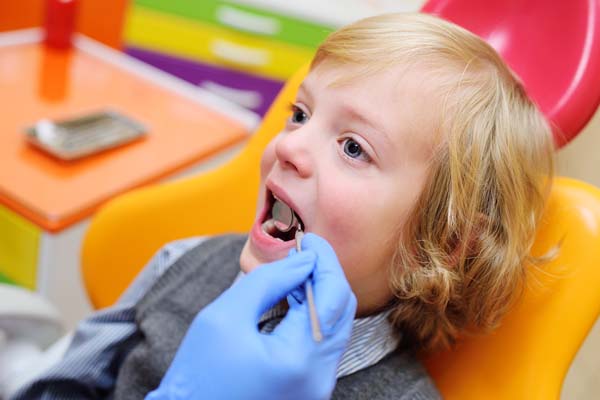
Pediatric dentistry is a branch of dentistry that focuses on treating young people. Kids must have their teeth checked regularly for evidence of caries and tooth decay. Tooth decay destroys the tooth enamel. It often leads to caries or cavities. If left untreated, cavities can result in negative consequences for both children and parents. Fortunately, cavities in baby teeth can be treated and are even preventable if you stay on top of your kid’s oral health through a proper pediatric dentistry practice.
Pediatric dentistry: fillings for cavities
Bacteria and various other things can cause tooth decay. It can occur when foods containing carbohydrates are left on the teeth. These foods include milk, candy, soda, cake, bread, and cereals. Bacteria that normally reside in the mouth can change such foods, making acids. The combination of food, bacteria, acid, and saliva forms a substance known as plaque. The plaque often sticks to the teeth and can eat away at a tooth’s enamel.
Fillings in baby teeth
Cavities affect a very high percentage of school-age children. Even though early childhood tooth decay is preventable, it is still a very common disease. It affects many children worldwide. Pediatric dentists have always recommended treating dental decay early.
Untreated cavities in baby teeth can lead to other serious health problems. Some common problems caused by cavities include tooth loss, gum disease, mouth pain, advanced dental infections, and damage to permanent teeth. It can also lead to poor grades, poor sleep, disrupted speech development, and low self-esteem. They can also cause a child to miss school.
Most times, treatment involves removing the decayed part of the tooth and replacing it with a dental filling. Fillings are materials dentists place in teeth to repair damage due to tooth decay. There are different types of fillings they can use depending on the extent of the decay. Dentists always recommend the ideal material that is appropriate for a patient’s situation.
Preventing cavities
Tooth decay can be prevented through the use of preventive dental techniques like fluoride therapy and tooth sealants. It can also be avoided naturally with lifestyle changes. Parents can ensure their children stay healthy by teaching them good oral hygiene practices. Brushing teeth regularly can be very beneficial to a child. Scheduling routine dental cleanings and exams for the child is also a good idea.
Other benefits of pediatric dental fillings
The main benefit of dental fillings is to seal cavities. But there is more to fillings than treating caries. The material for this dental restoration has other benefits. Below are some of them:
- These restorations prevent infection. A decayed tooth will need a root canal and a temporary filling. This treatment allows the gums and teeth to heal. Temporary fillings let the nerves relax. When the tooth is ready, the dentist will remove the temporary filling. A permanent one will take its place. Pediatric dentistry mandates prescribing antibiotics to the child. This will help prevent infection.
- Fillings provide a natural look. Most parents prefer getting tooth-colored fillings for their children. Composite material and porcelain are common types of filling materials. These tooth-colored fillings blend well with the tooth and neighboring teeth. The fillings improve the appearance of the tooth.
- These restorations release fluoride into the affected tooth. Glass ionomer fillings in pediatric dentistry protect the child’s tooth from more decay.
- Fillings can enhance the function of the treated tooth. There is usually extreme sensitivity to hot or cold food or drinks. This can make the child apprehensive when it comes to eating or drinking. Once the filling is in, the pain goes down significantly. Eating and drinking become normal again for the child.
- These restorations can enhance the dental structure of the treated tooth. Pediatric dentistry can provide an inlay or onlay. The dentist can even provide a crown to support the tooth’s integrity.
Fillings do not corrode or leak. Corrosion is a common occurrence in metal fillings. This can result in health issues later on. Tooth-colored fillings can bond to the tooth. There will be no open area where saliva and bacteria could seep inside the tooth. The child can then become more at ease.
Caring for your child’s teeth
Pediatric dentistry is very important to your child’s current and future oral health. Advancements in pediatric dentistry have provided several options for parents when it comes to cavity prevention and treatment. It is vital to pay attention to the health of your child’s teeth. If they do get a cavity, take your child to the dentist as soon as possible for treatment. Taking care of your kid’s baby teeth will help prevent the development of many serious oral health issues. If you have questions about dental fillings in baby teeth, talk to your pediatric dentist as soon as you can.
Are you considering pediatric dentistry in the Middletown area? Get more information at https://www.hvkidsmiles.com.
Check out what others are saying about our dental services on Yelp: Pediatric Dentist in Middletown, NY.
Recent Posts
Kids dental crowns can restore decayed and damaged teeth, even when fillings are not an option. They can also be combined with other restorations, such as dental bridges, to replace missing teeth. Covering, reinforcing, or replacing teeth with crowns promotes good oral health. Crowns also support a child’s oral development, improving speech development, social skills,…
When a child’s tooth becomes damaged or severely decayed, a pediatric dentist may recommend a kids dental crown as an effective solution. These crowns restore the tooth’s function, strength, and appearance while preventing further complications. While baby teeth are temporary, they are a fundamental part of speech development, proper chewing, and guiding the permanent teeth…
Whether your child has a cracked, chipped, or decayed tooth, a kids dental crown can restore it to its original shape. An added benefit of dental crowns is that they can last up to 15 years with proper care. Fortunately, caring for crowns is straightforward, with most patients not needing to change their oral hygiene…
Kids dental crowns are one of the most popular and effective restorations pediatric dentists use to restore and protect damaged teeth. They are tooth-shaped caps that cover your natural, damaged tooth. While the procedure takes two appointments, it is relatively straightforward and involves little to no discomfort.Several types of kids dental crowns are available, each…