Pediatric Dentistry: Four Oral Hygiene Tips for Your Baby’s First Teeth

Pediatric dentistry can help new parents care for their baby’s first teeth. Starting early with your baby’s oral hygiene means cleaning your child’s gums before the teeth erupt. This helps your baby get used to mouth cleaning. If you want to learn how to care for your baby’s first teeth, here are four pediatric dentistry oral hygiene tips to consider.
1. Incorporating fluoride
The parent must do this when the child reaches six months. Fluoride is a naturally occurring element that can harden the enamel and prevent tooth decay. Some areas have fluoride in the water supply. If this is the case, parents can give the baby one to three ounces of water when the baby starts consuming solid food.
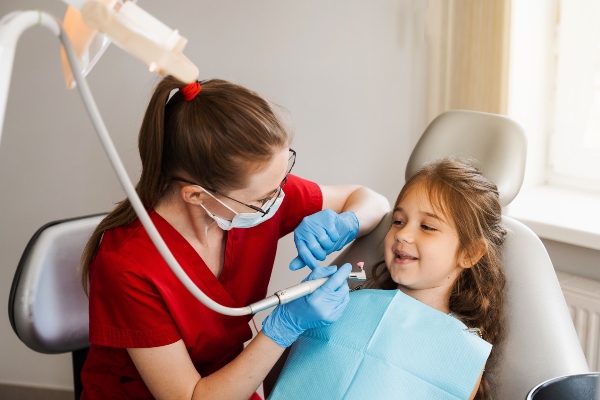
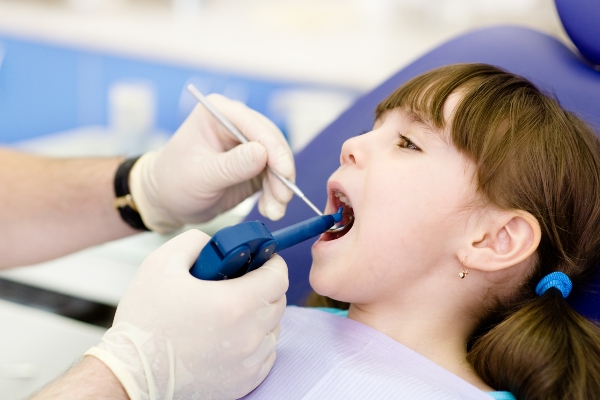
Taking the child in for a pediatric dentistry appointment when the first tooth emerges will allow the dentist to check the child’s young gums and teeth. The dentist can start the child’s fluoride varnish treatments. The layer of fluoride can strengthen and protect the baby’s young teeth. This will give the child a good start in oral hygiene.
2. Soothing teething pain
Teething continues even if the first tooth has already erupted. The rest of the teeth will be emerging from the gums. Parents must keep on soothing the child’s gum irritation. Easing the pain can start by massaging the baby’s gums. Offering frozen or cold teething rings can reduce gum irritation.
There are available teething biscuits on the market. But most doctors advise against it. Many of these products have salt and sugar, which are not good for the baby’s general health. Giving the baby some mild pain reliever will need the approval of the attending doctor or dentist as well.
3. Brushing two times a day
Using only water to clean the baby’s teeth is recommended until the baby reaches 18 months. Fluoride toothpaste will be an effective helper when brushing the child’s first teeth. This main ingredient can leave a protective layer that shields the teeth against bacterial acids and cavities. A pea-sized amount of fluoride toothpaste is enough. The child can learn to spit out the excess toothpaste at the right age. Pediatric dentistry visits can guide the parent in brushing the baby’s teeth the right way.
Keeping the child’s toothbrush clean after and before using it is also ideal. This begins by rinsing the child’s toothbrush with clean tap water. Storing the toothbrush upright can dry the bristles thoroughly. Doing so will drain the teeth more effectively, freeing them from bacteria. Replacing the toothbrush every three to four months is ideal.
4. Changing feeding habits
Babies often consume formula or breastmilk until they reach six months old. Six-month-old children often start eating solid food. At this age, the baby can also have small sips of water. Pediatric dentistry professionals say that a parent should avoid giving the baby sugary beverages and foods that can prevent early onset tooth decay.
Refraining from giving the baby a bottle of milk during bedtime is also important. This prevents soaking the baby’s new teeth in sugars. Instead of milk, some water before bedtime can clear the mouth of bacterial acids. It can also encourage the production of more saliva that neutralizes these acids and prevents dental decay.
Benefits of starting dental care early in children
A child must have good dental health. Having healthy teeth and gums can contribute to a child’s physical development. That is why seeing the dentist must happen before or around the child’s first birthday. Here are the benefits of starting dental care early in life:
- It paves the way for good bite development. The dentist can perform early dental treatments that can reduce malocclusion. Using devices, such as dental spacers, can guide the emerging permanent tooth. This can prevent the need for orthodontic treatment.
- It prevents dental injuries. Young children are prone to falls and facial trauma. Learning how to walk and playing all the time can put them at risk of dental injuries. The dentist can provide tips on preventing accidents. The child can even wear a custom-fit mouthguard during playtime or athletic activities.
- It helps with the child’s cognitive development. Good dental hygiene can help increase a child’s cognitive abilities. Studies show that children with frequent dental issues tend to skip school because of discomfort.
- It prevents the development of diseases. Children are vulnerable to tooth decay. Taking good care of baby teeth can help give way to healthy adult teeth. The dentist can provide dental sealants and fluoride treatments that can protect and strengthen teeth.
Pediatric dentistry tips can help you care for your child’s first teeth
The emergence of baby teeth often causes a stir in the home. This is an opportunity for the child to have good oral health from day one. Pediatric dentistry visits can guide you in caring for your child’s young teeth. Working with your dentist can start even before the first tooth emerges.
Are you considering pediatric dentistry treatments in the Middletown area? Get more information at https://www.hvkidsmiles.com.
Check out what others are saying about our dental services on Yelp: Pediatric Dentist in Middletown, NY.
Recent Posts
Getting good oral care early in life makes a big difference, but searching “pediatric dentist near me” might not be enough to clarify exactly why. Parents and kids alike can benefit from understanding what a dentist does to help children grow up with strong, healthy smiles, and it goes beyond cleaning the teeth. Here are…
A kids dentist is a dental professional that teaches children how to take care of their teeth and gums from a young age. These practices, when established at an early age, provide the foundation for a lifetime of good oral hygiene. This article covers how this type of dentist can teach kids and their parents…
A child dentist can help your child achieve better dental and general health. Regular visits allow your child to get used to dental checks, tools, and equipment. Dental fear disappears, and the young patient can continue having a bright, painless smile. Here are what parents like you should look forward to during child dentist appointments.Choosing…
Cavity treatment for kids is essential for a child’s oral health. Dental decay can cause discomfort, causing the child to lose focus at school. It can even result in low self-esteem and malnutrition. Treating cavities can improve your child’s general health. Here are effective techniques for cavity treatment for kids.There are cases when fillings cannot…