Pediatric Dental Tips for Infant Oral Hygiene
Most parents are aware that pediatric dental care is essential for children of all ages. However, many may not realize that good oral hygiene should start during infancy. While babies have limited diets and are not exposed to as many sugars as older children, risks for developing tooth decay are still present during this time. These tips can help parents build healthy routines for a healthy smile.
Brushing and flossing
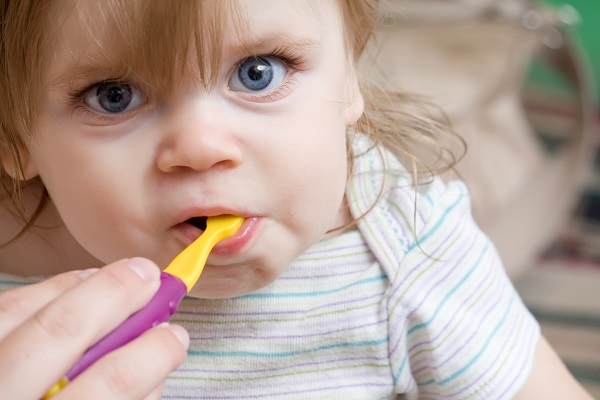
Toothbrushing is necessary as soon as the first baby tooth appears, but many pediatric dental experts recommend cleaning the gums throughout infancy. This sweeps away bacteria after bottle feedings, soothes sore gums while teething, and can also help children be more prepared to use a real toothbrush. A clean, soft washcloth or a silicone brush are the appropriate tools for this type of cleaning.
Once baby teeth erupt, parents should brush a child's teeth twice a day with a small, soft toothbrush. Fluoride toothpaste is now recommended for all ages, but no more than the size of a single grain of rice should be used. When adjacent teeth start to arrive, start flossing once a day with disposable dental flossers designed for children.
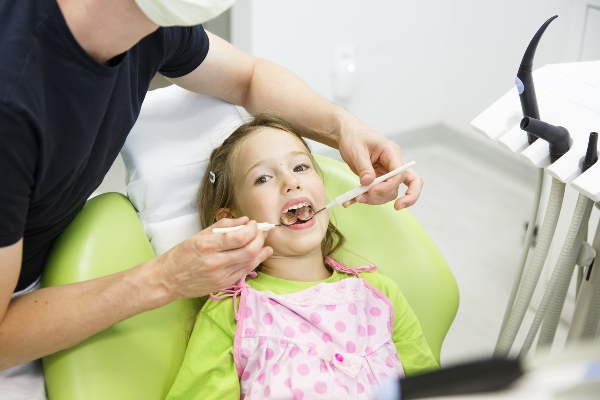
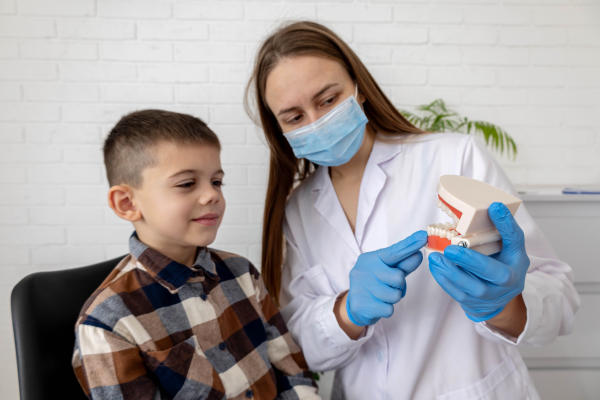
By age 1, parents should schedule the first dental checkup. At this appointment, the dentist can brush and floss the child's teeth and can help guide parents towards the right techniques and routines. This professional cleaning is often more thorough than brushing at home and can help prevent tooth decay.
Other home care habits
In addition to daily cleanings, parents need to take steps to reduce the harmful bacteria that can enter a young child's mouth. Bottles, sippy cup spouts, pacifiers, and teething toys should be sterilized on a regular basis. Other toys should be cleaned frequently as well, as infants tend to place most things directly into their mouths. Handwashing is important for parents and babies alike to help reduce the spread of harmful bacteria that can lead to dental infections and decay.
Some habits can increase a child's chance of developing cavities or other dental issues down the road, including:
- Prolonged bottle use
- Prolonged pacifier use
- Finger- or thumb-sucking
- Chewing on nails or other foreign objects
Pediatric dental professionals recommend stopping bottle use completely by age 1. Pacifier use or thumb-sucking should stop between the ages of 2 and 3; discouraging or reducing these practices during infancy can make them easier to overcome long-term. While it is normal for babies to chew or suck on foreign objects during the early years of life, parents should help children start the transition past this oral motor development stage around 18 months of age.
Conclusion
Even though young babies may only have a few teeth during the first year of life, it is still important to develop good oral hygiene practices for healthy teeth and gums. When parents take steps to keep teeth clean and reduce the risks of exposure to harmful bacteria, children of all ages are far less likely to develop cavities and other dental problems as they grow. Good home care goes a long way to ensure good oral health, even in infants.
Request an appointment here: https://www.hvkidsmiles.com or call Hudson Valley Pediatric Dentistry at (845) 363-4177 for an appointment in our Middletown office.
Check out what others are saying about our dental services on Yelp: Pediatric Dental in Middletown, NY.
Recent Posts
Kids dental crowns are popular dental restorations that preserve and enhance the function of damaged or weakened teeth. These custom-made caps are designed to fit over the existing tooth, providing structural support and appearance improvements. However, not all dental crowns are created equal. The type of dental crown can significantly impact its longevity and aesthetic…
Kids dental crowns are a valuable investment in your child's oral health and smile's appearance. Whether they have received crowns to restore damaged teeth or for cosmetic reasons, it is important to properly care for them to ensure they last a long time. Here are some essential tips to help maintain the longevity and aesthetics…
Kids dental crowns can restore children's teeth that have been compromised by damage or decay. These restorations help maintain the appearance and function of primary and permanent teeth, providing essential protection as the child grows up. However, proper care and maintenance are necessary to ensure their longevity and effectiveness, as poor oral hygiene can lead…
Kids dental crowns are a versatile solution in pediatric dentistry. They help protect damaged teeth and support the replacement of missing ones, making them a reliable option for long-term oral health. They can also improve the appearance of the smile. Pediatric dentists recommend crowns to restore function, protect developing teeth, and ensure a healthy, lasting…