Oral hygiene basics include how to get rid of plaque and tartar. However, there is a common misconception that plaque and tartar are the same. In reality, they have significant differences. The following article aims to provide you with a better understanding of their distinctions and how you can help your child improve their oral hygiene routine to avoid them.
What is plaque?
Plaque is a soft film containing millions of bacteria that build up on the teeth, gums, and tongue. These bacteria feast on the food one consumes, producing acids that disintegrate enamel and lead to cavities. Plaque is a sticky substance that bacteria create to protect themselves and make them harder to remove. If there is a viscous white or yellow substance on the teeth or between the gums, it is most likely plaque.
Implementing oral hygiene basics, such as brushing and flossing, into one's daily routine is important to prevent plaque and cavities from forming. If cavities are left untreated, the decay will eventually travel to the inner layer of the tooth that contains the nerve, infecting it. This infection can lead to severe tooth pain, sensitivity, and visible holes in the tooth.
What is tartar?
If children do not remove plaque regularly, it hardens, trapping calcium and other minerals contained in the saliva. This is known as tartar. Tartar makes the teeth appear stained or discolored and traps plaque, increasing the risk of developing even more tartar. Unlike plaque, which kids can remove with oral hygiene basics, visiting the dentist for a professional cleaning is the only way to remove tartar.
Tartar can also build up around the gum line, resulting in the early stages of gum disease, a terrible condition for a child. If gum disease runs rampant, it can impact a child's primary and secondary teeth, permanently altering the course of their oral health.
Signs of plaque or tartar
Plaque develops within 24 hours after consuming food, and children develop a higher chance of having tartar if they do not remain vigilant in their oral hygiene basics. Common signs of plaque include chronic bad breath, a fuzzy or slimy feeling on the teeth, and tender gums that bleed during or after brushing.
Tartar, on the other hand, can manifest itself as discolored spots on the teeth (especially between or near the gums) and painful, swollen gums. Children may also complain of sensitivity issues when consuming hot or cold foods and beverages, indicating the buildup has formed a cavity.
What are the oral hygiene basics?
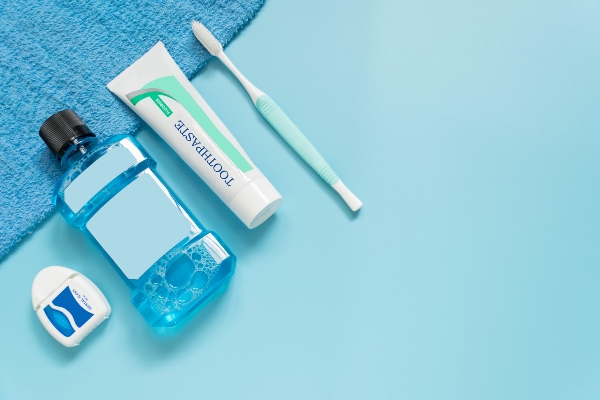
Practicing oral hygiene basics is key to preventing plaque buildup and, ultimately, tartar. Oral hygiene basics include the following:
- Brushing at least twice a day
- Flossing every day
- Changing toothbrushes every three to four months
- Maintaining recommended pediatric dental appointments
In addition, food intake has a large impact on the state of a child's teeth. While pediatric dentists recommend that kids avoid candy, carbonated drinks, and foods high in carbohydrates, such as bread and chips, it is not likely. Therefore, they will encourage parents to significantly limit these food choices and help their kids practice optimal oral hygiene directly after consuming these foods and beverages.
Conclusion
Visiting a dentist regularly to remove plaque and tartar is essential to maintaining proper oral hygiene. Although kids can clean off plaque by brushing their teeth and flossing, they must visit a dentist to remove tartar. Call us today if it is time for your child's first or next dental appointment.
Request an appointment or call Hudson Valley Pediatric Dentistry at 845-363-4177 for an appointment in our Middletown office.
Recent Posts
Having a solid handle on oral hygiene basics will help preserve the integrity of a child's teeth and mouth health for many years to come. Steering clear of cavities, receding gums, or decay ensures their smile is bright and beautiful for as long as possible. If your child believes they already have an excellent oral…
When you and your child visit the dentist, you expect to get your child’s teeth cleaned and learn the current state of their dental health. However, many parents overlook the expertise dentists can provide about the important aspects of oral hygiene basics.In addition to caring for teeth, dentists can offer helpful recommendations for young patients…
In order to maintain your child's healthy teeth and gums, you should follow the oral hygiene basics recommended by a pediatric dentist. These practices, including brushing and flossing, should be done twice and once a day, respectively. However, it is common for children to forget to maintain these habits. Failing to observe oral hygiene basics…