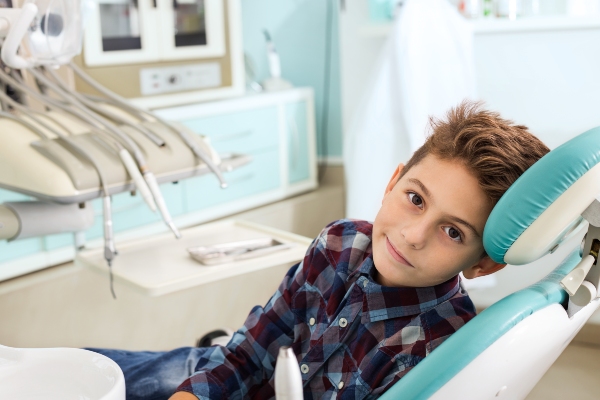
Tooth decay happens when the enamel, or tooth surface, is damaged. You can use oral hygiene basics to prevent it. Tooth decay is still one of the world's most common health problems. This article will explore what causes tooth decay in children and adolescents and how to prevent it from interfering with their oral health.
What causes tooth decay?
Everyone has bacteria in the mouth. While some bacteria are good, harmful bacteria feed on the sugar and starch one eats. The bacteria and food form plaque, a sticky film on the teeth that hardens and makes it difficult to remove from the teeth’s surface. If not removed, plaque can turn into tartar and eventually lead to tooth decay.
Anyone who has teeth is at risk for tooth decay. However, several factors can make it worse.
Frequent snacks or sugar-containing drinks
Snacking or sipping on sugary foods and drinks gives a steady fuel supply to the decay-causing bacteria that harm the teeth. Foods that cling to teeth can cause decay, including hard candy, cakes and cookies, milk products, honey, and chips. Acidic drinks also wear down tooth enamel.
Inadequate brushing and flossing
Oral hygiene basics go a long way in preventing tooth decay. Plaque can begin to form almost immediately after eating. Brushing after each meal removes plaque, and daily flossing cleans between teeth.
Dry mouth
A lack of saliva in the mouth can lead to decay. Saliva washes away some food, plaque, and acid in the mouth. Dry mouth can happen due to some medications, radiation to the head and neck, and certain chemotherapy drugs.
Eating disorders
Stomach acid from repeated vomiting can wear away tooth enamel. This increased acidity in the mouth can put people with anorexia or bulimia at risk for tooth decay. These disorders can also impede saliva production.
How can I prevent tooth decay?
Good oral hygiene basics can help prevent tooth decay. Parents can ask our team about the best dental care for their child’s needs. In the meantime, start with the following tips.
Brush with fluoride toothpaste after eating and drinking
Brush the teeth after every meal if possible. If this is not an option, brush at least twice a day. Use a toothpaste containing fluoride, a mineral that significantly reduces tooth decay. Floss between teeth daily.
Get regular checkups
Visit the pediatric dentist regularly for an oral examination and professional cleaning. If the child has signs of tooth decay, dental health professionals can spot and treat them before bigger problems arise. The dentist can recommend the most effective checkup schedule tailored to the child’s needs.
Drink tap water
Most bottled water does not contain fluoride. Public water sources have added fluoride that can help keep teeth healthy. If the child cannot get an adequate amount of fluoride, the pediatric dentist may recommend supplements or treatments.
Eat fruits and vegetables
Fresh fruits and vegetables increase saliva production in the mouth. This helps rinse away bacteria and plaque. Unsweetened beverages can also help.
Conclusion
While anyone with teeth is at risk for tooth decay, oral hygiene basics can help prevent it. If you have questions about helping your child establish a healthy oral hygiene routine, call our office. We can create a routine customized to your child’s specific needs.
Request an appointment or call Hudson Valley Pediatric Dentistry at 845-363-4177 for an appointment in our Middletown office.
Recent Posts
Having a solid handle on oral hygiene basics will help preserve the integrity of a child's teeth and mouth health for many years to come. Steering clear of cavities, receding gums, or decay ensures their smile is bright and beautiful for as long as possible. If your child believes they already have an excellent oral…
When you and your child visit the dentist, you expect to get your child’s teeth cleaned and learn the current state of their dental health. However, many parents overlook the expertise dentists can provide about the important aspects of oral hygiene basics.In addition to caring for teeth, dentists can offer helpful recommendations for young patients…
In order to maintain your child's healthy teeth and gums, you should follow the oral hygiene basics recommended by a pediatric dentist. These practices, including brushing and flossing, should be done twice and once a day, respectively. However, it is common for children to forget to maintain these habits. Failing to observe oral hygiene basics…