Ask a Pediatric Dentist: How Do I Clean My Baby’s Teeth?
 Our pediatric dentist says good oral hygiene for babies starts even before their first tooth erupts. Tooth decay is the most common dental issue that affects children, and acids created by oral bacteria cause it.
A child’s first tooth should erupt by the time they are six months old, and it is typically an upper incisor. Keeping baby teeth decay-free until they are ready to fall out is critical to ensure the child’s long-term oral health. Baby teeth serve as placeholders for permanent teeth, so them falling out prematurely can lead to a child developing bite issues as they grow older.
Other essential functions of baby teeth include:
- Baby teeth play an important role as the shape of your child’s facial structures develop
- Baby teeth help with speech development
- Baby teeth are used to grind down and chew food
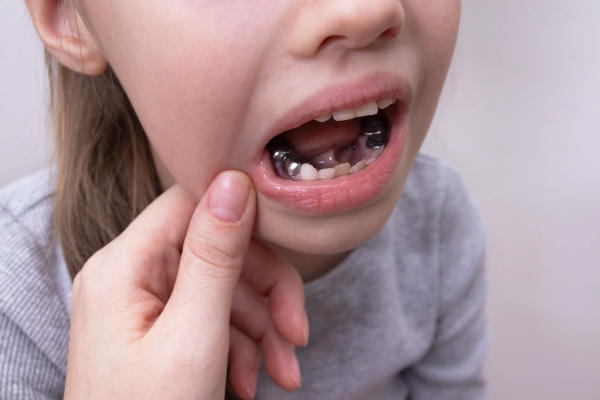
Failing to take proper care of a child’s baby tooth typically leads to tooth decay, which brings various issues like toothaches and infections. A decaying baby tooth can also cause damage to the permanent tooth underneath it.
Our pediatric dentist explains how to take care of your child’s teeth
Parents should start cleaning their child’s mouth even before their first set of teeth begin to emerge. A child’s baby teeth are already developed in their jaw at birth; it just takes some time before they erupt. Cleaning a child’s gums while they have no visible teeth protects the teeth underneath their gums from decay.
Here are some simple things our pediatric dentist advises parents to do to keep their child’s teeth and gums clean:
- Clean the child’s mouth at least once a day with a soft cloth or gauze pad. A simple way to do that is by sitting on a chair or sofa with the baby’s head resting on your lap. You should have easy access to the child’s mouth from this position
- Place a clean piece of soft cloth over one of your fingers and dip it in water to dampen it. Use the cloth to wipe the child’s teeth and gums gently
- Parents can clean the child’s mouth with a tiny, soft toothbrush once their teeth start coming in. The child’s teeth and gums should be cleaned during each brushing session
- A small pea-sized amount of fluoride toothpaste can be used while brushing to help protect against tooth decay. Parents should also talk to the child about the importance of oral hygiene during these brushing sessions. The child should be able to brush their teeth unsupervised by the time they reach 11
Other ways to prevent tooth decay
Brushing goes a long way when it comes to preventing tooth decay, but there are other things parents can do to protect their child’s teeth. These include:
- Limit the child’s consumption of sugary foods and beverages
- Get preventative treatments like dental sealants from a dentist
- Avoid feeding the child right before bedtime or naps
We are here to help
Our pediatric dentist has years of experience protecting baby teeth from issues like tooth decay. Give us a call or visit our Middletown clinic to set up an appointment.
Request an appointment or call Hudson Valley Pediatric Dentistry at 845-363-4177 for an appointment in our Middletown office.
Recent Posts
Pediatric dentists recommend kids dental crowns for children’s teeth. Veneers are a cosmetic treatment for adults, while dental crowns serve restorative purposes for both adults and children. Here is a closer look at the differences between these two treatments and why dental crowns are the appropriate choice for kids.Dental crowns and veneers are similar in…
A pediatric dentist can help determine the root cause of an oral health issue and if a patient will benefit from a dental crown. While there are many reasons for getting these restorations, the main goal is always to restore the tooth and enhance its functions. Here are several warning signs that your child may…
Kids dental crowns are a common treatment in pediatric dentistry that restores and protects damaged primary and permanent teeth. Also referred to as dental caps, these restorations help maintain a child's oral health by covering and strengthening weakened teeth. Pediatric dentists often recommend crowns when other restorative treatments, such as dental fillings, are not enough…