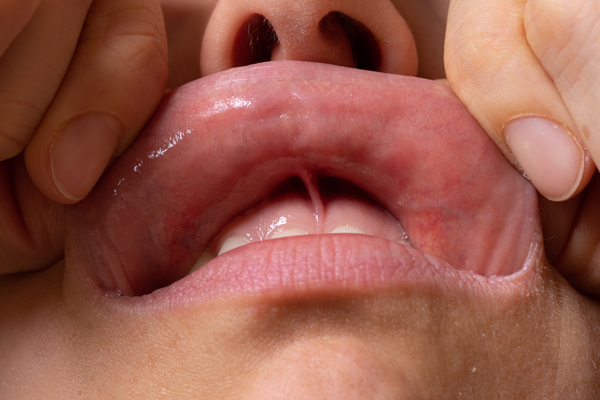
When a tight tissue band limits infant feeding or toddler speech, a laser frenectomy provides a gentle, effective pediatric solution designed to maximize comfort. Parents worry when their young child needs a minor surgical release. Fortunately, modern pediatric dental technology makes the entire process fast and simple. Pediatric dental specialists prioritize a calm environment, ensuring your child receives optimal care without unnecessary stress. Understanding how soft tissue lasers work helps you feel confident about treatment decisions for your child.
Understanding laser frenectomies in pediatric dental care
Restricted oral tissue, commonly called a tongue-tie or lip-tie, occurs when the band of connective tissue beneath the tongue or along the upper gum line is overly short or thick. In infants, this condition prevents proper latching at the breast, leading to poor weight gain and parental frustration. In older children, tight tissue restricts tongue movement, impacting speech clarity and oral hygiene.
Traditional surgical releases relied on scalpels or surgical scissors, which caused elevated bleeding and postoperative discomfort. A pediatric soft tissue laser uses concentrated light energy to gently release restrictive tissue folds while instantly sealing blood vessels. This precise light technology minimizes tissue trauma, enabling pediatric dentists to complete procedures in just a few minutes. Young patients experience far less stress during office visits.
The benefits of laser frenectomies for young patients
Pediatric laser care offers significant physical and emotional advantages over conventional surgical methods. Essential benefits for growing children include:
- Minimal bleeding during tissue release
- Reduced post-procedure swelling and tissue soreness
- Removes the need for surgical sutures or uncomfortable stitches
- Preserves surrounding healthy oral structures
- Reduced need for heavy local anesthetic injections during treatment
- Lower risk of oral infection through clean laser light application
- Fast procedure that soothes nervous infants and toddlers
This gentle treatment method ensures a comfortable experience for young children while providing immediate relief from oral restrictions. Parents notice quick improvements in infant feeding or tongue mobility.
Less bleeding and greater treatment precision
Controlling bleeding is very important during soft tissue procedures. Laser energy targets water and hemoglobin in tissue cells, which seals the area immediately as the light tightens the tissue. This minimal bleeding allows the dental professional to clearly see the surgical area, enabling precise and careful adjustments during the procedure.
Parents who are nervous about seeing their child bleed during surgery can feel more at ease with this cleaner method. While healing can vary with tissue thickness, laser use generally creates a clean environment that helps patients heal more quickly and comfortably. Good visibility allows the dental team to work more efficiently.
Reduced swelling and quick recovery
Surgical tools usually press hard on the soft tissue in the mouth, which can cause swelling and pain. Lasers, on the other hand, gently release tissue without applying harsh pressure, keeping nearby areas calm and unharmed. As a result, infants and young children recover quickly with little disruption to their daily lives.
Babies can often nurse right after treatment, finding relief from latching issues. On a similar note, older children usually experience little difficulty with eating or talking. Parents notice they need to give fewer pain relievers in the first few days of recovery. Reduced swelling helps children move naturally, allowing them to adjust quickly to their better oral function.
Simple aftercare at home without stitches
Traditional frenectomy procedures require stitches to close surgical cuts and manage bleeding. Stitches inside a child’s mouth cause irritation, attract food debris, and require follow-up appointments for removal. A pediatric laser frenectomy eliminates the need for stitches because the energy instantly seals the tissue edges.
Aftercare is simple and manageable for parents at home following these tips:
- Clean the surgical site gently using warm water or prescribed saline wipes
- Offer cool liquids or soft foods for older toddlers following care
- Perform prescribed gentle stretch exercises consistently to prevent tissue reattachment
- Check the area daily for normal soft white healing tissue formation
- Keep infants well hydrated through regular feeding sessions
- Avoid unnecessary touching of the healing tissue
Following these basic home care guidelines supports natural healing and maintains flexibility in the released tissue. Routine follow-up visits remain brief and stress-free.
Learn more about laser frenectomies at our office
A pediatric laser frenectomy offers a gentle, highly effective approach to releasing tight oral tissue, minimizing bleeding, and streamlining recovery without stitches. If your child experiences feeding difficulty, speech challenges, or restricted tongue movement, schedule a consultation with a trusted pediatric dentist at Hudson Valley Pediatric Dentistry to explore your treatment options. Our team in the Middletown area is here to walk you through the process.
Request an appointment here: https://www.hvkidsmiles.com or call Hudson Valley Pediatric Dentistry at (845) 363-4177 for an appointment in our Middletown office.
Check out what others are saying about our services on Yelp: Laser Frenectomy in Middletown, NY.
Recent Posts
Kids dental crowns are a versatile solution in pediatric dentistry. They help protect damaged teeth and support the replacement of missing ones, making them a reliable option for long-term oral health. They can also improve the appearance of the smile. Pediatric dentists recommend crowns to restore function, protect developing teeth, and ensure a healthy, lasting…
Pediatric dentists recommend kids dental crowns for children’s teeth. Veneers are a cosmetic treatment for adults, while dental crowns serve restorative purposes for both adults and children. Here is a closer look at the differences between these two treatments and why dental crowns are the appropriate choice for kids.Dental crowns and veneers are similar in…
A cavity does not always require the same type of restoration. In some situations, a child's dentist may consider an inlay or onlay when a tooth needs more support than a filling can provide but may not require a full crown. These restorations repair damaged areas while allowing healthy tooth structure to remain in place.…
A newborn lip tie describes a tight or restrictive upper lip frenulum that may limit how freely an infant’s upper lip moves. Because every baby has a maxillary labial frenulum, appearance alone does not determine whether treatment is necessary. When feeding concerns arise, a pediatric dentist can help evaluate the child's oral anatomy in collaboration…