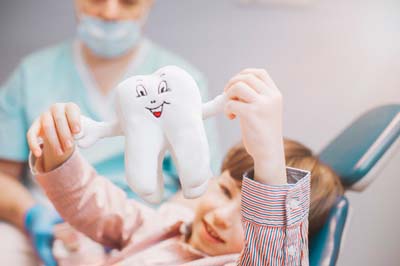
If your child needs dental help, a kid friendly dentist is a good choice. This professional has the knowledge and training to handle preventive maintenance and restorative care for your son or daughter. The dentist can assist with a wide variety of issues, including the most serious issues that may arise. From the time your child starts getting teeth, you can have the peace of mind you need that your child’s health is in good hands.
Typical dental challenges that young people encounter
People of all ages should visit the dentist at least every six months. These appointments include dental cleanings and an examination. Children can be especially prone to problems such as tooth decay and infections. These can show up because of poor brushing and flossing habits as well as from diets high in sugar. It is also not uncommon for young patients to suffer trauma to their teeth. This can happen from hard blows to the face in sports injuries or falls.
Education
For developing, mild problems, the kid friendly dentist may need to teach the child and parent how to properly brush and floss. At a wellness checkup, the dentist may show the child how to hold a toothbrush, the circular motion that effectively cleans teeth, and how long to brush each time. Also, the dentist may demonstrate the right way to floss and how to reach the back molars. The dentist may counsel parents and children about cutting back on soda, candy, and other junk food.
Cavity filling
Even in baby teeth, it is important to remove tooth decay. Cavities can cause intense pain and make it difficult to eat or speak. The kid friendly dentist will address decay by drilling into the tooth and cleaning it out thoroughly. To reduce anxiety and discomfort, the dentist will give the child a local anesthetic. After removing the bacteria, the dentist will fill the tooth, usually with a tooth-colored composite resin. More rarely, for severely decayed teeth, the dentist must perform a root canal.
Fluoride treatment
Fluoride treatments can help strengthen a child’s teeth and slow down future decay. Many kids do not get enough fluoride from brushing alone. This treatment can be a good way to bolster the outer surface of the teeth. These treatments can occur at semiannual checkups.
Sealants
The kid friendly dentist may also place sealants on the child’s teeth. Using a thin plastic coating, the dentist puts these on the patient’s teeth to protect them against decay. The sealants can keep bacteria from causing cavities, especially on molars. Many dentists use this method when the child is between the age of 6 and 12.
Benefits of having a kid friendly dentist
A child must have good dental health from day one. This can support the child’s physical health. The kid friendly dentist can set daily dental care practices for the young patient. The parents can help the child maintain them with the dentist’s guidance. Here are the benefits of having a kid friendly dentist:
- It helps in knowing how a child develops. A kid friendly dentist can help parents understand how their child’s teeth and gums change. The child must have good formative years. Proper dental care during this stage can reduce the risk of having serious dental problems during the teen and adult years.
- It helps keep kids happy. The first visit to the dentist can be stressful for the child and the parent. An experienced kid friendly dentist can provide a calm and relaxing environment for young patients. Kids can stay happy throughout the appointment and even after it. They can then look forward to a pleasant experience during the next checkup.
- It provides professional services. A kid friendly dentist has the knowledge and training to provide the right kind of dental care and treatments. Parents do not need to worry that their children will not be well cared for.
- It increases the awareness of a child’s oral health problems and habits. Thumb-sucking or pacifier use can lead to dental misalignment or crowding. This can also result in bite problems when the child grows up. The kid friendly dentist can help a parent to stop this habit at the right age. Doing so can give the child a good start at dental health.
Let a kid friendly dentist look out for your child’s well-being
Brushing and flossing are essential for good oral health. As a parent, you should make sure your child keeps up with these vital habits. However, there are other ways your dentist can treat your child’s dental conditions and minimize the risks of other problems. Get in touch with your dentist today and ask about these services.
Request an appointment here: https://www.hvkidsmiles.com or call Hudson Valley Pediatric Dentistry at (845) 363-4177 for an appointment in our Middletown office.
Check out what others are saying about our dental services on Yelp: Kid Friendly Dentist in Middletown, NY.
Recent Posts
Children's dental services can help prevent cavities by protecting young teeth, supporting strong enamel, and helping families build better oral hygiene habits. Pediatric dentists focus on prevention because children's teeth can develop decay quickly when plaque, bacteria, and sugary foods affect the enamel. Routine care helps identify small concerns early and gives children the support…
A kids dentist can restore teeth with tooth decay or cavities through treatments such as dental fillings and crowns. However, the best treatment is always prevention. Fortunately, a kids dentist has tips and techniques to help parents and children prevent cavities before they can form. Following these tips makes it possible for your child to…
A kids dentist can prevent, treat, and reverse gum disease. Through comprehensive dental treatments, they can address the bacterial buildup that contributes to the earliest stage of gum disease, also known as gingivitis. Comprehensive gingivitis treatments may involve deep dental cleanings, enhanced oral hygiene, and other approaches. The goal is to effectively treat and reverse…
A kids dentist provides preventive care services to help ensure healthy smiles as children grow. From guarding against tooth decay to recognizing early smile alignment issues, a pediatric dentist helps protect against dental issues commonly affecting children. A kids dentist helps set children up for life-long oral health through these preventive services.A kids dentist will…