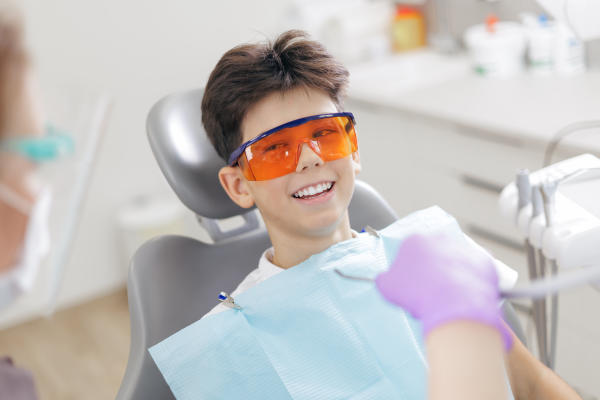
Do Pediatric Dentists Recommend Dental Sealants?
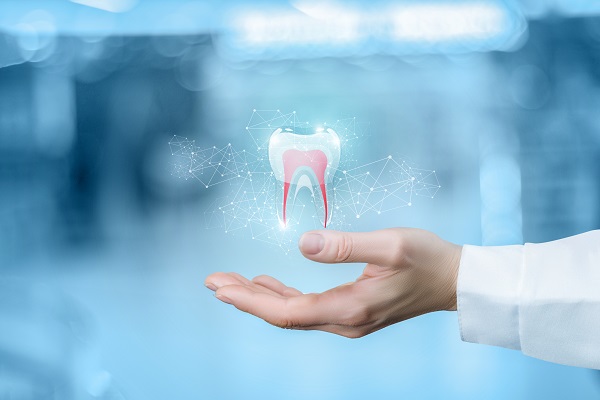
If you have a child who is between the ages of five and 14, your pediatric dentist may recommend dental sealants. You may not know that the most chronic childhood condition in the United States is tooth decay. For example, in Washington state alone, more than half of all third graders have cavities. The good news is that cavities are entirely preventable.
What causes cavities?
When a child drinks and eats, cavities can start to form. Mouths naturally have bacteria and germs in them. However, when the sugars from foods are added to the mix, a chemical reaction can occur. The bacteria in the mouth feed on the foods, which causes acid to form. Over time, this can wear away the enamel on the teeth.
Children’s enamel is not fully formed yet. This means that cavities can form more easily in children’s mouths. Pediatric dentists emphasize the importance of cavity prevention. If the baby teeth decay, permanent teeth can also decay. For children, learning how to floss and brush can prevent cavities. And this is why pediatric dentists recommend getting dental sealants.
Cavity prevention
In the back of a child’s mouth, there are teeth known as 12-year molars. Many baby teeth are replaced by permanent teeth starting around the age of seven. However, the 12-year molars can remain in a child’s mouth until, or even after, the age of 12. Because these molars must last for longer, it is vital to protect them.
Unfortunately, the 12-year molars have deeper grooves than the permanent molars do. This means it can be difficult for a child to fully clean the area twice a day. However, pediatric dentists recommend dental sealants because they can reduce cavities by as much as 80%. By covering the deep grooves in the teeth, children will not need to worry about brushing the area thoroughly.
The first molars usually come in around the age of six. Even though the second molars have not come in, it is a good idea to get a first round of dental sealants. After the second set of molars come in around the age of 12, children can get more dental sealants. Each sealant will last for about nine years. After this, the child may need new ones.
Misconceptions about dental sealants
One misconception about dental sealants is that they can cover a cavity. However, if a child already has a cavity, then a sealant will not prevent the bacteria from spreading. Children who have cavities in the molars should have the cavities filled first. It is a good idea for a child to get sealants in place before cavities develop.
Choose pediatric dentists today
Dental sealants may not be right for every child. However, many children can benefit from this type of treatment. It can help prevent cavities during the vulnerable years of tooth development. Taking children to pediatric dentists is a good idea. This allows dentists to determine if sealants are right for your children.
Request an appointment here: https://www.hvkidsmiles.com or call Hudson Valley Pediatric Dentistry at (845) 363-4177 for an appointment in our Middletown office.
Check out what others are saying about our services on Yelp: Read our Yelp reviews.
Recent Posts
Kids dental crowns reinforce a decayed or damaged tooth, restoring its function and beauty. These are just two of the many benefits of crowns. For instance, they also require minimal aftercare. Children of all ages can benefit in different ways from these versatile restorations.Kids dental crowns can restore a variety of dental conditions. They are…
Kids dental crowns are popular dental restorations that preserve and enhance the function of damaged or weakened teeth. These custom-made caps are designed to fit over the existing tooth, providing structural support and appearance improvements. However, not all dental crowns are created equal. The type of dental crown can significantly impact its longevity and aesthetic…
Kids dental crowns are a valuable investment in your child's oral health and smile's appearance. Whether they have received crowns to restore damaged teeth or for cosmetic reasons, it is important to properly care for them to ensure they last a long time. Here are some essential tips to help maintain the longevity and aesthetics…
Kids dental crowns can restore children's teeth that have been compromised by damage or decay. These restorations help maintain the appearance and function of primary and permanent teeth, providing essential protection as the child grows up. However, proper care and maintenance are necessary to ensure their longevity and effectiveness, as poor oral hygiene can lead…