 Our pediatric dentist says you can start using fluoride toothpaste to clean your baby’s teeth as soon as they start to erupt. Developing good oral hygiene habits early in a child’s life can help them to avoid oral health issues like tooth decay.
Tooth decay is the leading dental issue that affects children, and acids made by oral bacteria cause it. These microorganisms feast on sugars left in the mouth after meals and convert them into acids that damage teeth. The damage starts as a tiny cavity that is barely noticeable, but it expands over time, causing severe structural damage to the tooth.
Our pediatric dentist explains how fluoride protects teeth against decay
Fluoride is a naturally present mineral, and it helps to protect tooth enamel. The enamel is the outermost layer of a tooth, and it is the most durable part of the body. It is designed to protect the more delicate inner layers of a tooth from acids made by oral bacteria, but it needs minerals like fluoride to remain healthy. Fluoride can reverse the first stage of tooth decay, known as the demineralization stage.
Fluoride provides systematic and topical benefits. Fluoride in foods make their way into the bloodstream and helps to strengthen teeth. Likewise, topical fluoride in oral hygiene products provides similar benefits.
Fluoride has been widely accepted as an effective and safe way to prevent tooth decay in children and adults. Tap water in developed countries is typically fluoridated, and the data shows that it has been an effective way to reduce tooth decay among populations.
Using fluoride toothpaste for your child
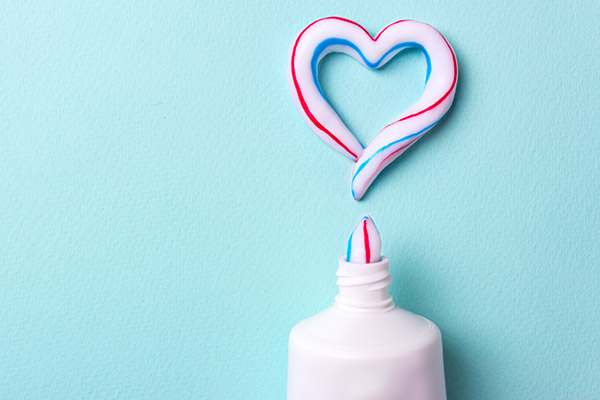
Fluoride helps to harden enamel, reducing a child’s risk of tooth decay. The key to safely using fluoride on a child’s teeth is using small amounts. A rice-sized smear of toothpaste is more than enough to protect a child’s teeth from decay. Our pediatric dentist recommends using no more than this until the child is old enough not to swallow the product while brushing.
Picking quality toothpaste is just as important since there is a good chance the child ends up ingesting the product. A quality fluoride toothpaste that is made for children is formulated with that in mind.
Overexposure to fluoride can cause problems
Fluoride can be toxic when ingested in large quantities. Overexposure to fluoride over a long period can lead to a condition called fluorosis. This can lead to white spots developing on a person’s teeth and other issues that affect the way teeth look.
Many toothpaste products made for children come with great flavors like bubble gum or candy, which increases the risk of the child swallowing the product. Most children will have difficulty not swallowing something that tastes good in their mouth for two minutes.
Fluoride provides an extra layer of protection
Using a small amount of fluoride during brushing sessions gives your child an additional layer of protection against tooth decay. Call or visit our Middletown clinic to learn more about how to keep your baby’s teeth and gums clean.
Request an appointment or call Hudson Valley Pediatric Dentistry at 845-363-4177 for an appointment in our Middletown office.
Recent Posts
Kids dental crowns reinforce a decayed or damaged tooth, restoring its function and beauty. These are just two of the many benefits of crowns. For instance, they also require minimal aftercare. Children of all ages can benefit in different ways from these versatile restorations.Kids dental crowns can restore a variety of dental conditions. They are…
Kids dental crowns are popular dental restorations that preserve and enhance the function of damaged or weakened teeth. These custom-made caps are designed to fit over the existing tooth, providing structural support and appearance improvements. However, not all dental crowns are created equal. The type of dental crown can significantly impact its longevity and aesthetic…
Kids dental crowns are a valuable investment in your child's oral health and smile's appearance. Whether they have received crowns to restore damaged teeth or for cosmetic reasons, it is important to properly care for them to ensure they last a long time. Here are some essential tips to help maintain the longevity and aesthetics…