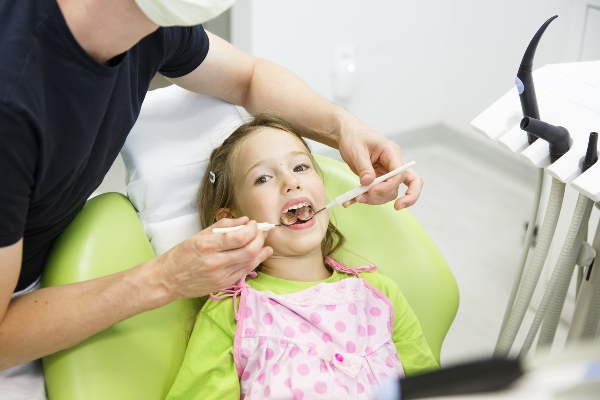
 Pediatric dental care covers every aspect of your child’s oral health, from preventative measures to corrective treatment. One of the most common efforts a pediatric dentist oversees is removing harmful habits like thumb sucking. Left unchecked, thumb sucking will push the teeth out of alignment, leading to issues like an overbite. Breaking the habit saves the patient and their caregivers from expending time and energy in pursuit of orthodontic treatment. Read on to find out the role of the dentist and the caregiver towards breaking a child’s thumb-sucking habit.
Pediatric dental care and thumb sucking
Many young children suck their thumbs to self-soothe and create a sense of safety for themselves. The action stems from a suckling or rooting reflex that is sometimes observable in the womb. Numerous ultrasounds show babies sucking their thumbs in their mothers’ bellies. The babies may continue this habit after birth as a way to soothe themselves when they are bored, anxious, or sleepy.
As the child grows, they may leave off sucking their thumb by themselves. This happens at six to seven months, or between the ages of two and four years. However, the habit can persist for far longer without intervention. Some children may continue sucking their thumbs into their pre-teens.
Parents and guardians should start intervening before the child’s permanent teeth come in, specifically between the ages of three and five. This gives parents a few years to reverse the habit before the permanent teeth come in. Here are helpful hacks that a caregiver can use to discontinue the habit.
The only way thumb sucking stops is with the cooperation and active involvement of the child. Work with the child to choose a method that reminds them to stop sucking their thumb with one of the following hacks:
Try placing a sock or glove over the child’s hand
This way, the child will come into contact with a mouthful of cloth every time they feel the urge to suck their thumb. The sensation will gradually rewire the child’s brain to associate putting their finger in their mouth with a negative feeling.
The parent and child can make a game out of the sock by saying an affirmation every time the child tastes the sock. For example, the parent and child can make up a catchphrase that makes the child feel all grown up. It may help to include a reward when the sock or glove stays on for hours at a time.
Using an appliance
A pediatric dentist can craft a custom appliance that acts as a substitute for thumb sucking or negative reinforcement. A substitute for thumb sucking has a greater likelihood of success because it offers positive reinforcement over creating a negative feeling.
Get all your child’s dental care needs in one place
Our practice in Middletown offers pediatric dental care for children of all ages. Reach out to us to learn about the team that will keep tabs on the health, growth, and development of your child’s mouth.
Request an appointment or call Hudson Valley Pediatric Dentistry at 845-363-4177 for an appointment in our Middletown office.
Recent Posts
Kids dental crowns reinforce a decayed or damaged tooth, restoring its function and beauty. These are just two of the many benefits of crowns. For instance, they also require minimal aftercare. Children of all ages can benefit in different ways from these versatile restorations.Kids dental crowns can restore a variety of dental conditions. They are…
Kids dental crowns are popular dental restorations that preserve and enhance the function of damaged or weakened teeth. These custom-made caps are designed to fit over the existing tooth, providing structural support and appearance improvements. However, not all dental crowns are created equal. The type of dental crown can significantly impact its longevity and aesthetic…
Kids dental crowns are a valuable investment in your child's oral health and smile's appearance. Whether they have received crowns to restore damaged teeth or for cosmetic reasons, it is important to properly care for them to ensure they last a long time. Here are some essential tips to help maintain the longevity and aesthetics…