A Pediatric Dentist Shares About What You Should Know About Baby Teeth and Permanent Teeth
 Pediatric dentists want you to know how important baby teeth are. Pediatric dentists often do not see a child at the dentist’s office until your child already has a problem. The health of baby teeth in children has a direct impact on the health of permanent teeth. Your dentist can be a great partner in caring for your child’s baby and permanent teeth.
Baby teeth and tooth decay
The enamel of baby teeth is thinner than the enamel of permanent teeth. This means that tooth decay can happen quickly. Pediatric dentists recommend that parents begin to clean baby teeth as soon as the first teeth appear. This can be around six months of age. Dentists also recommend parents schedule the first dental appointment before the child turns one year of age.
Tooth decay in baby teeth can cause several issues. Teeth may fall out, or a pediatric dentist may have to extract them. Early tooth loss can affect speech and language. Cavities can be painful for children and may affect their ability to eat. Severe cases can affect the health of the entire mouth. Taking care of baby teeth has a direct impact on the health of the permanent teeth that will erupt later.
The role of baby teeth
Many parents think that baby teeth are not very important since baby teeth fall out during childhood by design. Pediatric dentists disagree strongly with this sentiment. Practicing healthy oral hygiene habits should begin when the first baby teeth appear around six months of age. Baby teeth serve several important functions.
As baby teeth come in, children can chew and grind with baby teeth. Even just a few teeth can help babies to tear and chew food. Growing toddlers and small children need the nutrients from foods that require chewing. Losing baby teeth early due to decay can make chewing foods more difficult. Children could also experience more pain and soreness because of cavities and tooth decay.
Baby teeth are much smaller than permanent teeth. Often baby teeth have large gaps between them. This is normal, and these teeth still serve an important function. Pediatric dentists want parents to know that baby teeth hold space for permanent teeth. If baby teeth fall out or a dentist extracts them because of decay, the permanent teeth underneath may erupt out of alignment. This can affect the other permanent teeth that surround the misaligned tooth.
What to expect at the pediatric dentist’s office
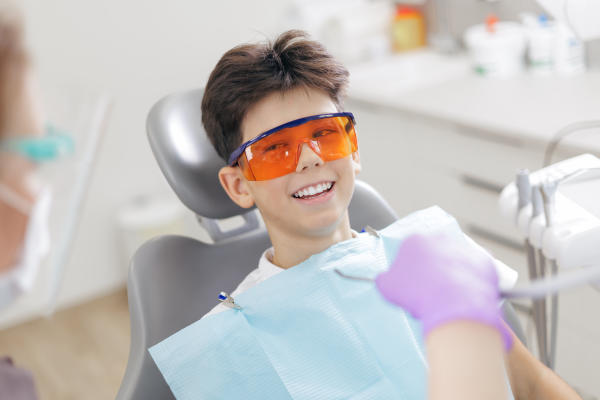
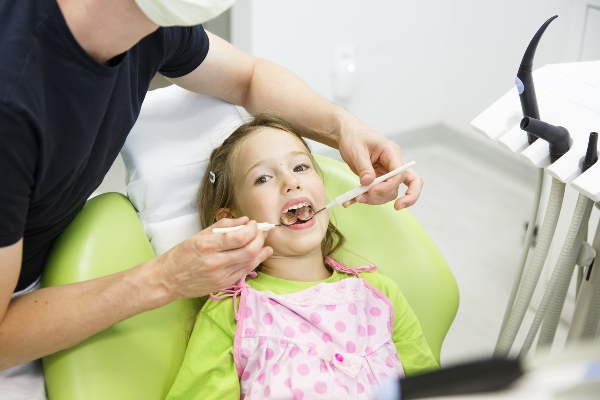
Your pediatric dentist can help you with any questions or concerns about your child’s dental health. Your child can get a teeth cleaning and, in some cases, a protective fluoride varnish. Parents can work with dentists to learn and reinforce good oral hygiene habits like proper brushing and flossing. Learning these habits when your child is young helps to establish a good foundation of lifelong healthy habits. Regular visits to the pediatric dentist throughout childhood can help to identify any potential dental issues in the early stages.
Request an appointment or call Hudson Valley Pediatric Dentistry at 845-363-4177 for an appointment in our Middletown office.
Recent Posts
Kids dental crowns reinforce a decayed or damaged tooth, restoring its function and beauty. These are just two of the many benefits of crowns. For instance, they also require minimal aftercare. Children of all ages can benefit in different ways from these versatile restorations.Kids dental crowns can restore a variety of dental conditions. They are…
Kids dental crowns are popular dental restorations that preserve and enhance the function of damaged or weakened teeth. These custom-made caps are designed to fit over the existing tooth, providing structural support and appearance improvements. However, not all dental crowns are created equal. The type of dental crown can significantly impact its longevity and aesthetic…
Kids dental crowns are a valuable investment in your child's oral health and smile's appearance. Whether they have received crowns to restore damaged teeth or for cosmetic reasons, it is important to properly care for them to ensure they last a long time. Here are some essential tips to help maintain the longevity and aesthetics…