In pediatric dentistry, there is often a question of what options are available when it comes to mild and moderate sedation for kids. Patients of all ages suffer from dental anxiety and can benefit greatly from the use of dental sedation. However, children, in particular, can often undergo certain dental procedures more comfortably once the pediatric dentist sedates them.
When it comes to sedation for kids, there is a good amount of information that parents can familiarize themselves with ahead of time. This information highlights what sedatives are available to children, how the practitioner administers them, and other relevant details that are good to know. Keep reading to find out more about sedation in pediatric dentistry.
Sedation for kids from a pediatric dentist
Below is an overview of what type of sedation pediatric dentists use for kids. Parents who have children that may benefit from sedation should review this information.
Options
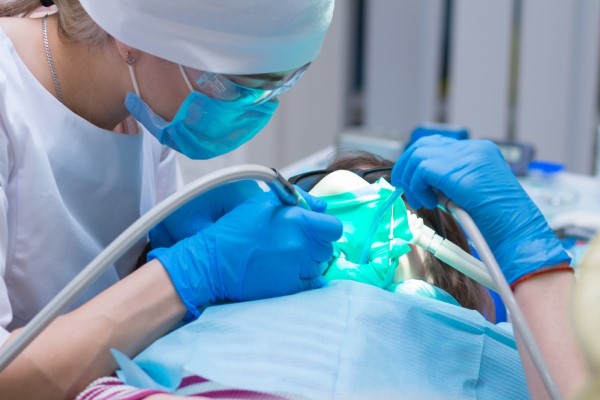
When it comes to sedation for kids, pediatric dentists often offer a couple of different options. Most commonly used is nitrous oxide, which is also known as laughing gas. The practitioner administers nitrous oxide via a facial mask. The mask connects to a tank that contains the nitrous oxide by a tube. It is provided to the patient immediately before the specific procedure, whether that be a routine cleaning or something more restorative or intense, such as a filling or crown placement. In most cases, nitrous oxide takes about 10 to 15 minutes to kick in. Once it has set in, the patient will start to feel relaxed and calm, which can be extremely helpful when undergoing a procedure that may induce anxiety or fear.
Aside from nitrous oxide, young patients may need another form of sedation will be needed. For more in-depth dental procedures, pediatric dentists might recommend an oral sedative or even an intravenous one, both of which tend to be stronger than nitrous oxide. With nitrous oxide, children do not typically go unconscious; however, when it comes to oral medications or medications that are administered intravenously, the typical goal is for the child to become unconscious. The intent is to eliminate anxiety, stress, and fear while ensuring no pain or discomfort is felt during the procedure.
Procedures that a pediatric dentist may recommend for more serious sedatives include root canals, tooth extraction, or in some cases, dental crown placement. When it comes to nitrous oxide, on the other hand, pediatric dentists are very willing to provide it in just about any case. Some children experience anxiety from simply visiting the dentist, even for just a check-up. In these cases, nitrous oxide can be administered to make appointments easier for all involved parties.
Other things to know
Some parents express concerns about having their children sedated for a dental procedure. However, it is important to know that pediatric dentists are specially trained and have the experience to know what is most suitable for each young patient for their health, safety, and comfort. With that, it is also important for parents to understand what happens after a sedative wears off.
When it comes to nitrous oxide, the effects typically only last for an hour or two. The result can be feelings of weariness or drowsiness for an hour or so after the effects have worn off. After that, children are completely safe to return to normal activities. However, it may be best to avoid riding a bike or engaging in physical activity or sports.
As it relates to sedation for kids in which oral or intravenous medication is involved, afterward is completely different. Parents should expect the effects to linger for up to four to six hours, depending on the dosage. Once the effects do wear off, parents should pay close attention to ensure that the child does not engage in physical activity or sports. It is also recommended for the child not to return to school that day.
Of course, the pediatric dentist will provide detailed instruction to the parents ahead of time, so they know how to prepare appropriately.
Find out more from a pediatric dentist
When wanting more information on sedation for kids, pediatric dentists recommend consulting with them directly. They have the experience and specialized training to inform both parents and children about the various procedures and sedation options. Additionally, the pediatric dentist can provide more specific information on sedation and what is involved. To learn more or to get scheduled for an appointment, reach out today. We're ready to help!
Request an appointment here: https://www.hvkidsmiles.com or call Hudson Valley Pediatric Dentistry at (845) 363-4177 for an appointment in our Middletown office.
Check out what others are saying about our services on Yelp: Read our Yelp reviews.
Recent Posts
Kids dental crowns are popular dental restorations that preserve and enhance the function of damaged or weakened teeth. These custom-made caps are designed to fit over the existing tooth, providing structural support and appearance improvements. However, not all dental crowns are created equal. The type of dental crown can significantly impact its longevity and aesthetic…
Kids dental crowns are a valuable investment in your child's oral health and smile's appearance. Whether they have received crowns to restore damaged teeth or for cosmetic reasons, it is important to properly care for them to ensure they last a long time. Here are some essential tips to help maintain the longevity and aesthetics…
Kids dental crowns can restore children's teeth that have been compromised by damage or decay. These restorations help maintain the appearance and function of primary and permanent teeth, providing essential protection as the child grows up. However, proper care and maintenance are necessary to ensure their longevity and effectiveness, as poor oral hygiene can lead…
Kids dental crowns are a versatile solution in pediatric dentistry. They help protect damaged teeth and support the replacement of missing ones, making them a reliable option for long-term oral health. They can also improve the appearance of the smile. Pediatric dentists recommend crowns to restore function, protect developing teeth, and ensure a healthy, lasting…