A Guide to Children and Fluoride Use from a Pediatric Dentist
When it comes to dental decay, a pediatric dentist may recommend fluoride use as a prevention strategy. Tooth decay is the most common disease among children. The American Dental Association recommends fluoride for strengthening the enamel and preventing cavities.
How fluoride works
Fluoride works well against cavities via topical and systemic deliveries. It prevents tooth demineralization, promotes remineralization and hinders bacterial metabolism. A study published in the Materia Socio-Medica found that fluoride inhibits bacterial fusion with the teeth. The topical application of fluoride provides the most benefits. Systemic use includes things like fluoridated drinking water. This helps to solidify the enamel and promote its resistance to demineralization.
The recommended type of fluoride
Pediatric dentists recommend topical application of fluoride during tooth development. This includes toothpaste or varnish for children. The American Academy of Pediatrics (AAP) also suggests dietary fluoride supplements for children who do not get enough fluoride in their drinking water. The AAP recommends fluoride dental rinses for children above 6 years old who are more prone to having dental caries.
Guide for topical use
Toothpaste
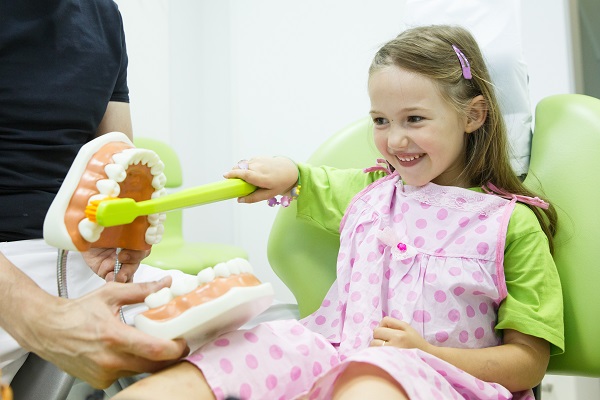
Fluoride toothpaste is recommended from the eruption of the first tooth until adulthood. From tooth eruption until your child turns 3 years old, you should only give your children a rice-sized amount of fluoride toothpaste. This is enough for brushing in the morning and night. When the child is above age 3 or can effectively spit without supervision, they should be given a pea-sized amount of toothpaste.
Teach your child to spit after brushing. The water used for rinsing after brushing should be limited to promote proper fluoride contact with the teeth. Fluoride toothpaste should be stored away from children’s reach. Ingestion of toothpaste usually causes an upset stomach but can require medical treatment.
Dental rinses
Fluoride rinses can be helpful for children who are prone to dental cavities or live in communities without fluoridated water. Dental rinses are only recommended for high-risk children above age 6 who can rinse and spit without supervision. Parents should avoid buying rinses with alcohol for their children. Fluoride mouthwashes, supplements and gels can be used to complement brushing. Ask your dentist before adding this to your child’s dental care routine.
Varnish
This is highly concentrated fluoride that is applied topically on the teeth by a dental professional. Fluoride varnish is useful for reducing the incidence of cavities significantly. Dentists recommend that children should get varnish once their teeth start erupting every three to six months. This can change based on your child’s susceptibility to dental caries. Applying varnish is simple and straightforward, so your child has nothing to fear.
Protect your child’s teeth
Be sure to limit your child’s fluoride use during tooth development, as that could cause fluorosis. It creates white lines and streaks on the teeth, which can cause your child to be self-conscious. Learn more about how to properly care for your child’s oral health by scheduling a consultation with our pediatric dentist.
Request an appointment here: https://www.hvkidsmiles.com or call Hudson Valley Pediatric Dentistry at (845) 363-4177 for an appointment in our Middletown office.
Check out what others are saying about our services on Yelp: Read our Yelp reviews.
Recent Posts
Kids dental crowns can treat many dental issues, including cavities that are too large for traditional filling material. Cavities can eat away and weaken children's teeth, requiring restorative treatments to protect the teeth's structure and function. Here are the details about when dental crowns can help after a cavity treatment.A pediatric dentist may suggest a…
Kids dental crowns reinforce a decayed or damaged tooth, restoring its function and beauty. These are just two of the many benefits of crowns. For instance, they also require minimal aftercare. Children of all ages can benefit in different ways from these versatile restorations.Kids dental crowns can restore a variety of dental conditions. They are…
Kids dental crowns are popular dental restorations that preserve and enhance the function of damaged or weakened teeth. These custom-made caps are designed to fit over the existing tooth, providing structural support and appearance improvements. However, not all dental crowns are created equal. The type of dental crown can significantly impact its longevity and aesthetic…
Kids dental crowns are a valuable investment in your child's oral health and smile's appearance. Whether they have received crowns to restore damaged teeth or for cosmetic reasons, it is important to properly care for them to ensure they last a long time. Here are some essential tips to help maintain the longevity and aesthetics…