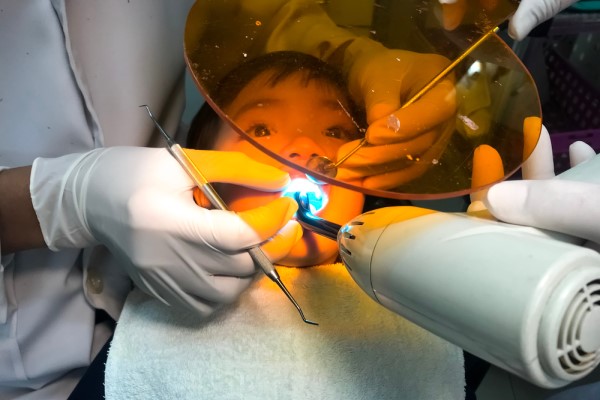
Concerned about early childhood cavities? Read on to learn more about how they affect children. Cavities are one of the most common oral health issues that pediatric dentists treat. It can be helpful for parents to understand more about early childhood cavities, including the dangers they present to the child’s long-term oral health.
5 Things you should know about early childhood cavities
Early childhood cavities may have an impact on the development of permanent teeth. Additionally, cavities in children can increase the risk of other oral health concerns such as an oral infection or the early loss of primary teeth.
1. Early childhood cavities can happen to children of any age
All too many parents wait an extended amount of time to bring their child into the pediatric dentist's office for their first visit. Unfortunately, teeth are often more vulnerable to cavities when they first emerge, and children as young as a year old can develop early childhood cavities that require treatment. Consequently, it is important to visit the pediatric dentist early and focus on prevention rather than restoration.
2. Cavities on baby teeth can affect the development of permanent teeth
A common misconception that many parents have is that the best thing to do for primary teeth with cavities is to leave them how they are. The thought here is that they are going to fall out anyway. However, the development and health of primary (baby) teeth can impact the development of permanent teeth. Specifically, the early loss of baby teeth due to cavities can lead to orthodontic (alignment) concerns with permanent teeth, leading to the need for orthodontic care later in childhood.
3. Cavities in children can become painful
Cavities in children, much like adults, can become painful, and this can not only impact their ability to function but their development, as well. Additionally, children may not know how to explain their tooth pain and seek assistance on their own, so checking your child’s oral health regularly and having them visit the dentist for routine cleanings is important.
4. Early childhood cavities can lead to more severe oral health concerns
If left untreated for an extended amount of time, early childhood cavities can lead to more severe oral health concerns such as deep tooth decay and tooth infection. When this occurs, the treatment options are more limited, and more invasive and expensive procedures such as a baby root canal or tooth extraction may be necessary.
5. Treating early childhood cavities promptly can help parents save money
The fact is, preventive dentistry is more affordable than restorative dentistry, and parents can save a lot of money through regular pediatric dentistry visits for their child, rather than having to pay for dental cavity fillings, baby root canals, and tooth extractions.
FAQs about childhood cavities
It is encouraged to ask any questions you have about your child’s oral health during a consultation visit with a dentist. Here are severe questions and answers about early childhood cavities specifically.
What are the treatment options for early childhood cavities?
There are several treatment options for early childhood cavities. For mild cavities, dental fillings are typically recommended. For more severe cavities, particularly those that extend closer to the tooth’s root, a baby root canal procedure is likely necessary to save the tooth and restore its size.
How can I help prevent early childhood cavities?
The best way to prevent early childhood cavities is to keep the enamel of your child’s teeth as strong as possible. This can be achieved through a consistent brushing and flossing schedule; the use of fluoride mouthwash may be recommended, as well. It is also helpful to limit your child’s consumption of sugar and other carbohydrates.
What are the long-term consequences of early childhood cavities?
The long-term effects of early childhood cavities depend on the child’s age, the number of teeth affected, and the location of the affected teeth. If the cavities develop right before they naturally fall out and are replaced with permanent teeth, then there may be no notable negative effects. However, if the early childhood cavities develop and cause concerns while the child is still relatively young, then they could lead to alignment and spacing concerns, likely leading to a need for orthodontic treatment.
Ready to schedule a visit?
You can contact our pediatric dentistry office today if you have questions about early childhood cavities or would like to schedule a visit for your child. We enjoy meeting new patients, and we look forward to helping you and your child with your dental health needs.
Request an appointment here: https://www.hvkidsmiles.com or call Hudson Valley Pediatric Dentistry at (845) 363-4177 for an appointment in our Middletown office.
Check out what others are saying about our services on Yelp: Read our Yelp reviews.
Recent Posts
A dental sealants for kids provides an effective barrier against cavities, as it shields the chewing surfaces of molars and premolars from harmful bacteria and food particles. Pediatric dentists recommend this preventive treatment as an additional measure to support proper oral hygiene and reduce the risk of tooth decay. While regular brushing and flossing remain…
Dental sealants are an invaluable part of preventative dental treatment. Sealants can help ensure that the teeth grow strong and are free of serious dental issues for children. Is a dental sealant more effective for one age group, or does the treatment work equally well for patients of all ages? Read on to learn more…
Dental sealants are plastic coatings that protect teeth surfaces from decay. Since children are highly susceptible to cavities, pediatric dentists often recommend sealants to protect molars and premolars upon eruption. If you are considering this preventive treatment for your child, read on to learn more about the pros and cons of dental sealants.Tooth decay is…
Dental sealants safeguard the teeth against tooth decay by forming a barrier between bacterial plaque and the tooth enamel. The many tiny grooves on the surfaces of the back teeth may catch food particles. Since routine brushing cannot entirely remove them, they often stay there for an extended period. Cavities develop as a result of…