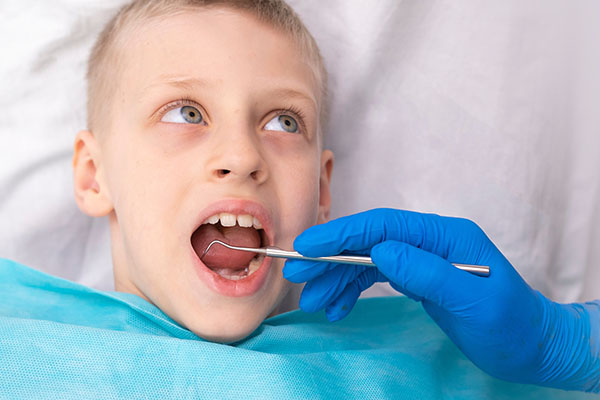
Brushing and flossing at home is a good start toward ensuring excellent oral health for your child, but you must not skip a pediatric dental check-up. Routine appointments are essential for preventing tooth decay and cavities. If you have concerns regarding your child's dental health, you can ask questions during the appointment. The pediatric dentist will be happy to address them.
When should a child have their first dental appointment?
According to the American Academy of Pediatric Dentistry (AAPD), a child should see a dentist by their first birthday. Parents can avoid oral issues and get their children accustomed to dental visits by adopting good practices early. Pediatric dentists have experience treating young children and will help them feel at ease during their initial appointment and any following appointments.
The dentist's approach to a child's first appointment will be determined by their age, anxiety levels, and dental issues. At the very least, the dental professional will perform a pediatric dental check-up and apply fluoride varnish. Holding an anxious child's hand during a quick examination can make them more comfortable with dental visits.
What is the significance of baby teeth?
Some people erroneously believe that tooth decay is negligible because the baby teeth will eventually fall out. But primary teeth prepare the way for adult teeth by guiding them into the proper places. A child's speech, chewing ability, and appearance are all affected by their primary teeth. A child can develop good lifelong dental habits by taking proper care of their teeth from an early age
How frequently should I take my child to the dentist?
Everyone should visit the dentist every six months, including children and adults. A regular pediatric check-up enables dentists to detect cavities early and treat them effectively. It also helps a child keep a healthy smile into adulthood and reduces the risk of tooth damage.
Is it necessary to brush a baby's teeth?
Plaque may build up on baby teeth at any age, so it is good to start brushing a child's teeth as soon as they erupt. Preventing tooth decay in young children can be as simple as using a moist towel or dental wipe to clean their teeth every night.
When the child grows old enough, get a kid's toothbrush and supervise them while they brush. Introduce fluoride toothpaste once they know to spit out toothpaste, which should happen around age four. Otherwise, give them fluoride-free toothpaste.
Is it safe to have dental X-rays?
Radiographs (X-rays) are crucial components of the diagnostic procedure. The dentist will follow the X-ray guidelines set out by the AAPD and the American Dental Association. Most dental offices use up-to-date digital radiography equipment to reduce radiation exposure, though the risk is quite insignificant. There is more harm in ignoring a tooth condition than getting an X-ray.
What foods and drinks can I give my child to keep their teeth healthy?
This is an excellent question to ask the pediatric dentist and one that many parents do not inquire about. Even if parents clean and floss their child's teeth regularly, the foods and beverages that the child consumes can have a significant impact on their oral health.
Parents should limit giving soda and juice to their children. If the child must have juice, limit their daily intake to no more than one tiny cup. Aside from that, kids should stick to drinking water.
Fresh fruits and vegetables, particularly crunchy ones like apples, peppers, carrots, and cucumbers, are good snacks for children's teeth. These aid in the removal of plaque and bacteria from the teeth. In addition to the health benefits of dairy products such as yogurt, cheese, and milk, these are also ideal snacks because they can strengthen teeth enamel.
Will my child need dental sealants?
Sealants are thin plastic coatings applied to the surfaces of molars. They prevent food and bacteria from getting into the crevices of the teeth, which may lead to cavities. Applying sealants is a popular pediatric procedure because they may lower the risk of tooth decay and cavities. However, they are not a replacement for brushing and flossing.
Sealants application can be done after the child's molars erupt, around the age of six and again around 12 years old. Parents should ask the child's pediatric dentist about sealants because they are painless and last a long time.
In conclusion
If you are ready to get your child on the road to excellent dental health, please schedule an appointment for a pediatric dental check-up with the dentist.
Request an appointment here: https://www.hvkidsmiles.com or call Hudson Valley Pediatric Dentistry at (845) 363-4177 for an appointment in our Middletown office.
Check out what others are saying about our dental services on Yelp: Pediatric Dental Check-Up in Middletown, NY.
Recent Posts
Kids dental crowns are a versatile solution in pediatric dentistry. They help protect damaged teeth and support the replacement of missing ones, making them a reliable option for long-term oral health. They can also improve the appearance of the smile. Pediatric dentists recommend crowns to restore function, protect developing teeth, and ensure a healthy, lasting…
Pediatric dentists recommend kids dental crowns for children’s teeth. Veneers are a cosmetic treatment for adults, while dental crowns serve restorative purposes for both adults and children. Here is a closer look at the differences between these two treatments and why dental crowns are the appropriate choice for kids.Dental crowns and veneers are similar in…
A cavity does not always require the same type of restoration. In some situations, a child's dentist may consider an inlay or onlay when a tooth needs more support than a filling can provide but may not require a full crown. These restorations repair damaged areas while allowing healthy tooth structure to remain in place.…
A pediatric dentist can help determine the root cause of an oral health issue and if a patient will benefit from a dental crown. While there are many reasons for getting these restorations, the main goal is always to restore the tooth and enhance its functions. Here are several warning signs that your child may…