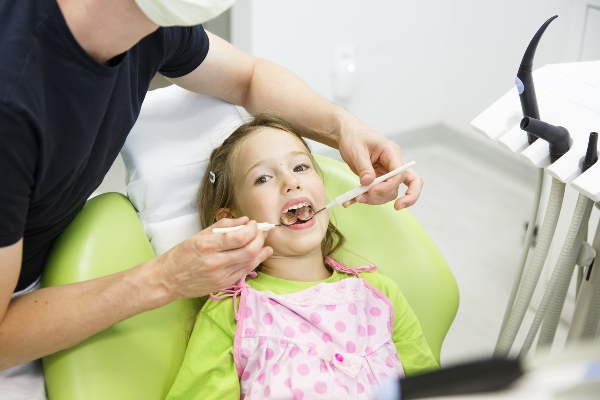
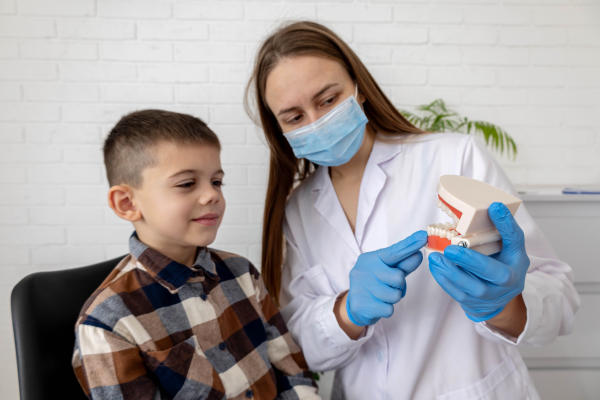
 Once your child’s first few teeth come through (usually before age one), it is time to schedule a pediatric dentistry visit. They can help ensure the teething process goes smoothly and address oral developmental concerns promptly. This review discusses several signs that indicate your baby has started the teething stage.
Pediatric dentistry tips: How to tell if your baby is teething
Teething can begin as early as four months of age and as late as 14 months. However, most babies start teething between six and twelve months. Parents can tell if their baby is teething by looking for physical signs, determining if they are uncomfortable, watching them closely to see if they are gnawing or chewing unusually, and taking their temperature. The following is a more detailed explanation of each pediatric dentistry tip.
Check for physical signs
Parents can start by checking their baby’s mouth for physical signs that teeth are emerging. When teeth emerge, gums can become sore and discolored; they can turn red and swell. As the teeth continually emerge, parents will also start to see them. If anything unusual (and mild) has changed with the child’s gums, they may be teething. If this is the case, it is time to visit the pediatric dentist.
Determine if your baby is in discomfort
Teething notoriously causes increased discomfort for babies. If the baby is crying more than normal and is not due to other medical or environmental causes, it may be teething. This is especially the case if there are also physical signs that teeth are coming through. In addition to crying more often than usual, baby teething may seem more irritable and fussy overall.
Watch if they are gnawing and chewing more than usual
Babies that are teething typically gnaw and chew more than they usually do. If parents have noticed that their child under the age of 14 months is starting to move their mouth more than usual, then it is time to visit the dentist and find out the condition of their baby teeth.
Take your baby’s temperature (check for a low-grade fever)
Of course, not all toddlers experience a low-grade fever related to teething. In addition, a low grade does not directly suggest teething is occurring. However, in many cases, teething symptoms can lead to a low-grade temperature of around 100 degrees Fahrenheit. Therefore, they may be teething if a mild fever is evident, not due to other causes.
Learn more from our pediatric dentistry team
Is your child showing signs of teething? If your child is teething or over the age of one and has not yet visited the dentist, then it is time to schedule a visit with a pediatric dentist. Our pediatric dentistry office can assist your child’s oral care needs throughout the teething phase. Call us today to schedule a visit and get started.
Request an appointment or call Hudson Valley Pediatric Dentistry at 845-363-4177 for an appointment in our Middletown office.
Recent Posts
Kids dental crowns are popular dental restorations that preserve and enhance the function of damaged or weakened teeth. These custom-made caps are designed to fit over the existing tooth, providing structural support and appearance improvements. However, not all dental crowns are created equal. The type of dental crown can significantly impact its longevity and aesthetic…
Kids dental crowns are a valuable investment in your child's oral health and smile's appearance. Whether they have received crowns to restore damaged teeth or for cosmetic reasons, it is important to properly care for them to ensure they last a long time. Here are some essential tips to help maintain the longevity and aesthetics…
Kids dental crowns can restore children's teeth that have been compromised by damage or decay. These restorations help maintain the appearance and function of primary and permanent teeth, providing essential protection as the child grows up. However, proper care and maintenance are necessary to ensure their longevity and effectiveness, as poor oral hygiene can lead…