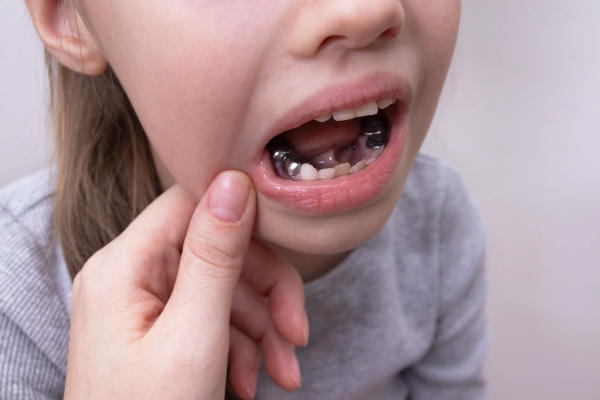
3 Commonly Used Pediatric Dental Sedation Options
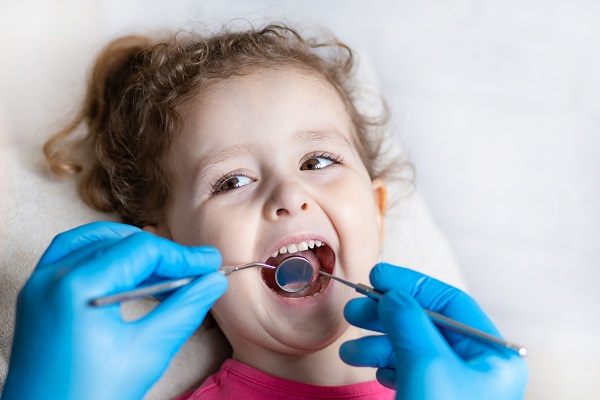
Many parents are initially hesitant at the idea of their child being given pediatric dental sedation. Read on to learn more about sedation from a pediatric dentist. While the term “sedation” can seem intimidating, it is used in pediatric dentistry as a simple way to ensure the child does not feel much, if any, discomfort and is relaxed during more invasive procedures.
What is pediatric dental sedation?
Pediatric dental sedation is a way to manage discomfort and/or anxiety related to dental visits and procedures. Although sedation is often related to surgery, effective methods of pediatric dental sedation are available to younger patients that are scheduled for more invasive non-surgical procedures. This can help ensure the patient remains comfortable during their dental procedure, and it can also help reduce the risk of bad dental memories that could otherwise develop into a long-term fear of visiting the dentist as they grow older.
3 Common types of pediatric dental sedation options
The three most common types of pediatric dental sedation are laughing gas (nitrous oxide), oral sedation, and IV sedation. General anesthesia is rarely used for younger dental patients unless it is for a more invasive form of oral surgery. The following is a review of each common type of sedative used in pediatric dentistry.
1. Laughing gas
Laughing gas, or nitrous oxide, is the most common type of pediatric dental sedation used for younger patients. This is a mild sedative, and the child is fully awake during the procedure. The sedative is administered through a mask, and the child patient inhales the nitrous oxide through the nose, which produces a calm and happy feeling. It takes less than five minutes for the effects to kick in, and the effects wear off relatively soon after the mask is removed.
2. Oral sedation
Oral sedation may be used for more invasive pediatric dental procedures or for children with an increased level of anxiety. Oral sedatives, which are taken in pill form, are commonly used and the child is still awake during the procedure, although they may not remember everything about the treatment. Oral sedation typically takes around 20 minutes to take effect and should wear off (within a few hours) after the procedure.
3. IV sedation
Intravenous (IV) sedation is sometimes used for pediatric dental procedures. This form of sedation involves administering the sedative through a needle that is inserted directly into the vein. The primary benefit of IV sedation is that it is easier to control how long the effects last. The patient may not remember much about treatment as the sedative can make them feel drowsy.
How to help your child prepare for dental sedation
For laughing gas, children should eat a small meal (e.g., toast) or snack before the procedure if nitrous oxide is used. For oral sedation, children should not eat the morning of the procedure or after midnight the night before. IV sedation requires special instructions as well, which the pediatric dentist can provide if that form of sedation is chosen. The recommended type of sedative for your child depends on how invasive and long the procedure is and the parent’s preference.
When pediatric dental sedation is recommended
Pediatric dental sedation is recommended for procedures that are more invasive and may cause discomfort or raise the level of anxiety for the patient. There is not a list of services that require pediatric dental sedation, and it is used on a case-by-case basis. However, dental sedation is used commonly for certain procedures, such as:
- Tooth extraction
- Root canal/baby root canal
- Oral surgery
In some cases, particularly if the pediatric patient experiences dental anxiety or dental phobia, dental sedation may be used for less invasive procedures, such as a dental filling or the placement of a dental crown. When in doubt, discuss the option of pediatric dental sedation with your child’s dentist.
The bottom line
Here at our pediatric dental practice, we offer dental sedation services for younger patients, including laughing gas, oral sedation, and IV sedation. We offer a range of services as well, including diagnostic, preventive, and restorative dental care services. If you have questions about your child’s options for dental sedation or would like to schedule a visit to discuss sedation and treatment in greater detail, contact our pediatric dental team today. We are glad to answer your questions and set up a convenient time for you to visit us.
Are you considering pediatric dental care in the Middletown area? Get more information at https://www.hvkidsmiles.com.
Check out what others are saying about our dental services on Yelp: Pediatric Dental in Middletown, NY.
Recent Posts
Kids dental crowns are a versatile solution in pediatric dentistry. They help protect damaged teeth and support the replacement of missing ones, making them a reliable option for long-term oral health. They can also improve the appearance of the smile. Pediatric dentists recommend crowns to restore function, protect developing teeth, and ensure a healthy, lasting…
Pediatric dentists recommend kids dental crowns for children’s teeth. Veneers are a cosmetic treatment for adults, while dental crowns serve restorative purposes for both adults and children. Here is a closer look at the differences between these two treatments and why dental crowns are the appropriate choice for kids.Dental crowns and veneers are similar in…
A pediatric dentist can help determine the root cause of an oral health issue and if a patient will benefit from a dental crown. While there are many reasons for getting these restorations, the main goal is always to restore the tooth and enhance its functions. Here are several warning signs that your child may…
Kids dental crowns are a common treatment in pediatric dentistry that restores and protects damaged primary and permanent teeth. Also referred to as dental caps, these restorations help maintain a child's oral health by covering and strengthening weakened teeth. Pediatric dentists often recommend crowns when other restorative treatments, such as dental fillings, are not enough…