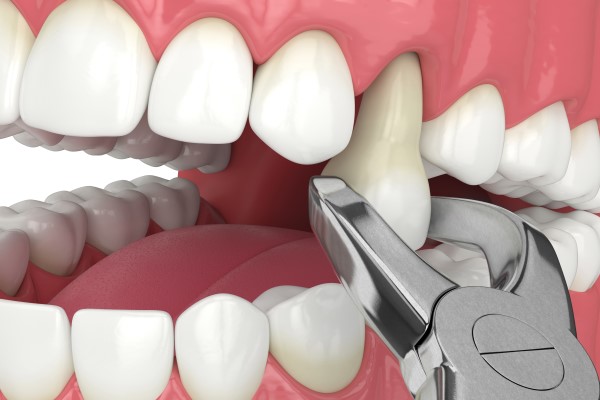
Reasons for Pediatric Tooth Extractions
Baby tooth extractions, also known as pediatric tooth extractions are when a primary tooth is surgically removed. When a child's tooth is injured due to an injury, disease, or serious tooth cavity, tooth extraction is usually necessary. This is one of the most popular treatments in pediatric dentistry. Since the front teeth have a single root as opposed to the multiple roots in molars, they are easier to remove. Baby molars are often more commonly removed because they are vulnerable to decay.
The reasons for pediatric tooth extraction
The following are some of the most common reasons for pediatric tooth extractions:
Tooth decay
Tooth decay is common in primary teeth and often necessitates extractions. Cavities typically develop on a child's molars due to the fragility of infant tooth enamel. Furthermore, children frequently do not exercise proper dental hygiene, leaving their teeth more susceptible to decay.
Untreated tooth decay in children can progress to more serious oral health problems and illnesses. When a baby tooth becomes infected, bacteria can spread to neighboring teeth, negatively impacting developing adult teeth. Adult teeth can shift into the available space at the extraction site if a primary tooth is extracted due to severe decay, resulting in crooked or crowded teeth.
Gum disease
Gingivitis is a condition in which the gingival tissues become inflamed. Gum tissue can bleed, redden, and swell due to this condition. Pediatric periodontal disease in children might develop if gingivitis is not addressed. The gums and jawbone can also be affected by gum disease. In extreme situations, loose teeth, receding gums, and significant bleeding can occur. If the teeth do not fall out on their own, pediatric tooth extractions are usually required.
Injury or Trauma
Trauma or injury to a child's primary teeth, such as accidents, falls, or failed dental restorations, can cause damages. Pain and heightened sensitivity are frequent indications of a chipped, broken, or detached baby tooth.
Pediatric pulp treatment (baby root canal) or a full-coverage crown may salvage the tooth, depending on the severity of the injury. The tooth must often be extracted and replaced with a space maintainer until the adult tooth emerges.
Impacted wisdom teeth
Impacted wisdom teeth are third molars that have partially grown in or become lodged underneath the gums. In this situation, pediatric dentists recommend extractions to prevent the risk of disease and jaw misalignment.
If a child exhibits early indications of an impacted tooth or teeth at a young age, the teeth are frequently removed to avoid future oral health issues like gum disease, cavities, and root resorption.
Orthodontic treatment
Over-retained baby teeth first become loose then get tightened in the gums, inhibiting the emergence of permanent teeth. Dentists often suggest the extraction of these teeth to allow for the normal eruption of adult teeth. Dental crowding occurs if the primary teeth are not removed, which is a situation in which there is insufficient space on the jaw to accommodate every tooth.
In summary
If you believe your child needs pediatric tooth extractions, make an appointment with the dentist to learn about your choices.
Request an appointment here: https://www.hvkidsmiles.com or call Hudson Valley Pediatric Dentistry at (845) 363-4177 for an appointment in our Middletown office.
Check out what others are saying about our services on Yelp: Read our Yelp reviews.
Recent Posts
Kids dental crowns can treat many dental issues, including cavities that are too large for traditional filling material. Cavities can eat away and weaken children's teeth, requiring restorative treatments to protect the teeth's structure and function. Here are the details about when dental crowns can help after a cavity treatment.A pediatric dentist may suggest a…
Kids dental crowns reinforce a decayed or damaged tooth, restoring its function and beauty. These are just two of the many benefits of crowns. For instance, they also require minimal aftercare. Children of all ages can benefit in different ways from these versatile restorations.Kids dental crowns can restore a variety of dental conditions. They are…
Kids dental crowns are popular dental restorations that preserve and enhance the function of damaged or weakened teeth. These custom-made caps are designed to fit over the existing tooth, providing structural support and appearance improvements. However, not all dental crowns are created equal. The type of dental crown can significantly impact its longevity and aesthetic…
Kids dental crowns are a valuable investment in your child's oral health and smile's appearance. Whether they have received crowns to restore damaged teeth or for cosmetic reasons, it is important to properly care for them to ensure they last a long time. Here are some essential tips to help maintain the longevity and aesthetics…