How Long Does It Take a Baby to Recover from an Infant Frenectomy?
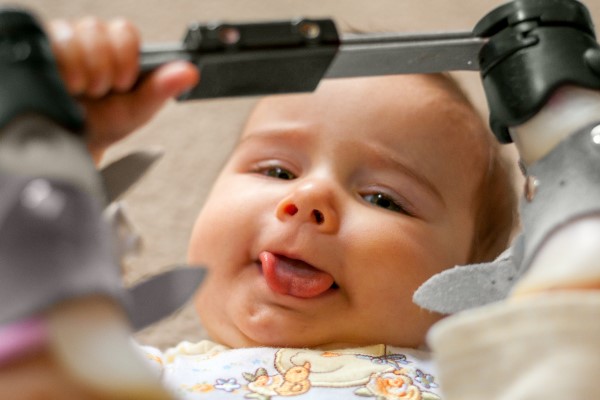
An infant frenectomy (also known as tongue-tie surgery) is a surgical procedure that improves your child’s ability to feed comfortably. This benefit has the knock-on effect of improving the child’s nutrition and overall health. Better still, a frenectomy can make nursing a whole lot more comfortable for both the baby and mother.
All this sounds great, but the thought of even the smallest of surgical procedures can stress out a new parent. One of the main concerns parents have is what to expect as their baby recovers from tongue-tie surgery.
What to expect from an infant frenectomy procedure
Some new mothers will notice their children struggle as they try to breastfeed. The wisest course of action for the mother is to first consult a pediatric dental specialist. The doctor will check whether or not the baby has a tongue-tie. If the child’s mouth is fine, they will likely recommend a lactation consultant.
If the child needs a frenectomy, the pediatric dental specialist will recommend that the child gets one as soon as possible. Here is what to expect from an infant frenectomy:
- The doctor will administer a topical anesthetic
- They will use a laser, cauterizing tool, or scissors to snip the small band of tissue that connects the tongue to the floor of the mouth
- If the doctor uses a scalpel or scissors, they may need to close the surgical site with a few sutures
- A laser or electrical cauterizing tool will close the surgical site as it cuts, which is why most doctors prefer these options
This quick, simple, in-office procedure takes around 15 minutes. The band of tissue that the doctor severs has few nerves or blood vessels. This means minimal pain and little bleeding. It also means that the baby’s recovery process should be uneventful.
Baby’s recovery period: What to expect
It takes between two or three weeks for the surgical site to heal completely. A laser frenectomy has an even shorter recovery period; the surgical site could heal fully in a week or two.
The doctor will provide thorough after-care instructions covering pain management, feeding, and cleaning the surgical site. They will prescribe pain medication for the baby and give detailed instructions on the dosage. The doctor will also ask the caregiver to monitor the baby for any signs of fever or infection.
Many babies can feed immediately after the frenectomy. Others may be more reluctant to breastfeed in the 24 hours that follow the procedure. By the third day, the infant should be feeding well. The caregiver should make sure to follow the after-care instructions provided to the letter.
The bottom line
Our practice specializes in minor surgical procedures like childhood and infant frenectomy. We offer diagnostic services, surgical procedures, after-care, and monitoring for all our young patients.
Get in touch with our dental office so we can schedule a consultation with our pediatric dental specialist to find out how we can take care of your child’s health as they grow.
Request an appointment here: https://www.hvkidsmiles.com or call Hudson Valley Pediatric Dentistry at (845) 363-4177 for an appointment in our Middletown office.
Check out what others are saying about our services on Yelp: Read our Yelp reviews.
Recent Posts
Kids dental crowns reinforce a decayed or damaged tooth, restoring its function and beauty. These are just two of the many benefits of crowns. For instance, they also require minimal aftercare. Children of all ages can benefit in different ways from these versatile restorations.Kids dental crowns can restore a variety of dental conditions. They are…
Kids dental crowns are popular dental restorations that preserve and enhance the function of damaged or weakened teeth. These custom-made caps are designed to fit over the existing tooth, providing structural support and appearance improvements. However, not all dental crowns are created equal. The type of dental crown can significantly impact its longevity and aesthetic…
Kids dental crowns are a valuable investment in your child's oral health and smile's appearance. Whether they have received crowns to restore damaged teeth or for cosmetic reasons, it is important to properly care for them to ensure they last a long time. Here are some essential tips to help maintain the longevity and aesthetics…
Kids dental crowns can restore children's teeth that have been compromised by damage or decay. These restorations help maintain the appearance and function of primary and permanent teeth, providing essential protection as the child grows up. However, proper care and maintenance are necessary to ensure their longevity and effectiveness, as poor oral hygiene can lead…