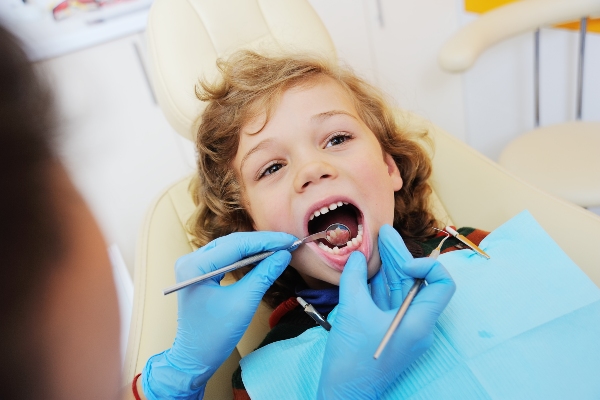
 Kids dental crowns are a common treatment in pediatric dentistry. They maintain oral function, preserve primary teeth, and support long-term dental health. Understanding how crowns work can provide insight into their role in pediatric dental care. Parents can get a head start by learning the answers to some of the most frequently asked questions about this common dental restoration.
What is a kids dental crown?
Kids dental crowns are tooth-shaped and custom-made caps that pediatric dentists use to restore teeth damaged by trauma or decay. Whether a tooth is damaged in an accident, goes through a root canal treatment, or is severely compromised due to a cavity, a crown can save it from having to be pulled and replaced. These restorations are made in dental labs from safe, durable materials such as tooth-colored resin, porcelain, zirconia, metal, or a combination of materials.
Why would my child need a dental crown?
Many younger patients need kids dental crowns to save teeth that would otherwise need extraction. For example, a crown can save a tooth with damage too extensive for a dental filling, inlay, or onlay. Additionally, crowns often reinforce root canal-treated teeth, keeping them functional and helping protect them from future decay. Crowns can also serve cosmetic purposes and cover teeth that are heavily worn, discolored, or misshapen.
What type of dental crown will my child get?
A pediatric dentist will usually recommend a particular type of kids dental crown based on the location in the mouth and the patient’s needs and personal concerns. For example, if the crown is placed toward the back of the mouth where aesthetics is not that big of an issue, they may recommend a metal crown because it is stronger. However, if the parent wants the crown to blend in with the other teeth, porcelain or tooth-colored resin may be a better option.
How much time should I allow for the process?
Getting a kids dental crown typically takes two appointments. The first appointment is longer because the tooth must be treated and shaped to accommodate the crown. Then, the pediatric dentist takes an impression of the tooth, which they send to a lab for the fabrication of the crown. This crown is placed during a second appointment when the dentist confirms the fit and cements it in place. Therefore, plan for two separate appointments, the first taking about an hour and the second about half that time.
What should I do after my child gets a dental crown?
Do not give the child any food until sensation returns following kids dental crown placement. Avoid hard or sticky foods for a few days to allow the crown to settle. For oral hygiene, make sure the child brushes and flosses gently around the crown until healed. Mild discomfort is normal and should subside in a few days. If pain persists or the crown feels loose, contact the pediatric dentist.
Dental crowns save teeth
If you have never had a dental crown and are nervous about the procedure, know that you are in good hands with the dental team at {{DBA}}. Our skilled team will keep you comfortable as we restore your teeth. If you have any further questions about the procedure or dental crowns, do not hesitate to call.
Request an appointment or call Hudson Valley Pediatric Dentistry at 845-363-4177 for an appointment in our Middletown office.
Recent Posts
Pediatric dentists use kids dental crowns and bridges to restore and protect the teeth of young patients, ensuring that their smiles stay healthy and functional. While both restorations can address dental issues, there are differences in how dentists apply them, their purpose, and the number of teeth involved. Understanding these differences helps parents make informed…
Kids dental crowns are restorations that can address various dental issues, from severely damaged teeth to protecting a tooth after a root canal. They help preserve oral health and enhance a smile's appearance. In addition to being versatile, they are available in different materials, which can be helpful for children, primarily their parents, who want…
Kids dental crowns effectively restore strength, function, and appearance to compromised teeth. Designed to protect and reinforce, they help prevent further damage while allowing the natural tooth to remain in place. If your child has a damaged tooth, learning about the advantages of a crown can help you decide what steps to take for their…