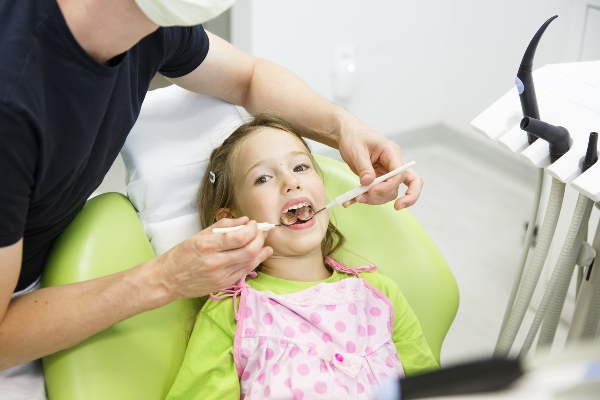
Cavity Treatments From a Kids Dental Office
A kids dental office often serves as the first line of defense against cavities, helping families protect developing smiles through prevention-focused care and gentle treatment options. When tooth decay starts, quick attention supports comfort, chewing, speech development, and confidence at school and at home. Pediatric dental teams also keep visits simple and encouraging, so future appointments feel easier. With the right plan, cavity care can feel straightforward and highly manageable.
Why cavities develop in growing smiles
Cavities form when plaque, a sticky, bacteria-filled substance, uses sugars and starches to create acids and weaken enamel. The enamel is the outer shell, or first layer, of the teeth, acting as the first defense for the other layers. Since children often snack throughout the day, sip sweetened drinks, or struggle to brush thoroughly, acids can remain on the teeth longer than necessary. A pediatric dentist, often the lead provider in a kids dental office, considers habits, anatomy, and risk level to guide the next steps.
It is important for parents and children to remember that baby teeth still need professional attention even though they eventually fall out. Decay in primary (baby) teeth can spread, cause pain, or affect how permanent teeth erupt to align. Untreated cavities may also lead to infections that interfere with eating and sleep. A kids dental office focuses on stopping small problems before they require more complex care.
How a kids dental office diagnoses tooth decay
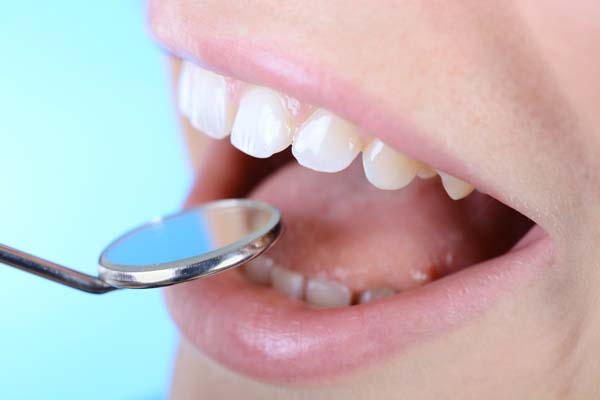
A cavity evaluation usually starts with X-rays, which show decay between teeth or under existing restorations. However, the dentist will still perform a physical examination to check for white-spot lesions, enamel breakdown, hardened plaque (tartar), and inflamed gums. Many kids dental offices use bitewing images because they reveal early concerns that a mirror cannot always catch. Regardless, accurate diagnosis helps match the treatment to the size and location of the cavity.
Risk assessment also matters. Diet patterns, fluoride exposure, past cavity history, and orthodontic crowding can all raise the chance of new decay. Some children benefit from closer recall intervals because cavities can progress quickly in softer enamel. Treatment recommendations remain individualized, with a focus on protecting tooth structure whenever possible.
Noninvasive options for early cavities
The early stages of decay often appear as chalky white areas where minerals begin to leave the enamel. At this stage, professional fluoride treatments can help remineralize enamel and slow progression. Pediatric dentists may also recommend prescription-strength fluoride toothpaste or specific home strategies that fit a child's age and swallowing ability. These approaches can help avoid drilling when the cavity has not yet opened into a hole.
If a child has a history of cavities or the dentist notices poor brushing habits, they will likely recommend dental sealants and fluoride treatments as extra layers of defense for the enamel. Dental sealants are thin coatings that the dentist paints on the back molars or premolars to block food debris from becoming trapped in the hard-to-clean grooves. While they work best on newly erupted molars, they can also protect teeth with deep pits that tend to trap plaque. Many families appreciate that a kids dental office can place sealants quickly and comfortably.
Common restorative treatment for cavities
When decay creates a definite cavity, a filling often becomes the right solution. The dentist removes the damaged portion of the tooth and restores it with a durable material, commonly tooth-colored composite. Composite fillings blend naturally, bond to the natural tooth structure, and work well for many small to moderate cavities. Bite and shape adjustments help ensure the tooth functions comfortably during chewing.
For larger cavities in baby molars, a stainless steel crown may provide better long-term protection. Crowns cover the entire tooth, shielding it from further breakdown and supporting chewing strength. This option can be especially helpful when decay involves multiple surfaces or when a tooth has weak enamel. Many pediatric dentists recommend crowns because they reduce the risk of recurrent decay in the same tooth.
If decay reaches the nerve of a baby tooth, pulp therapy may be necessary. This treatment removes infected tissue and helps keep the tooth in place until natural exfoliation. Maintaining the tooth can support spacing for the permanent tooth and promote normal bite development. A kids dental office typically explains pulp therapy in simple terms, so parents understand why it supports overall oral health.
Schedule an appointment
Every child has a different cavity risk profile, so treatment and prevention should fit the individual. Regular checkups allow early detection, smaller restorations, and less stress for children and their parents. If you suspect your child has a cavity, contact our kids dental office and schedule their appointment.
Request an appointment here: https://www.hvkidsmiles.com or call Hudson Valley Pediatric Dentistry at (845) 363-4177 for an appointment in our Middletown office.
Check out what others are saying about our services on Yelp: Read our Yelp reviews.
Recent Posts
Kids dental crowns are popular dental restorations that preserve and enhance the function of damaged or weakened teeth. These custom-made caps are designed to fit over the existing tooth, providing structural support and appearance improvements. However, not all dental crowns are created equal. The type of dental crown can significantly impact its longevity and aesthetic…
Kids dental crowns are a valuable investment in your child's oral health and smile's appearance. Whether they have received crowns to restore damaged teeth or for cosmetic reasons, it is important to properly care for them to ensure they last a long time. Here are some essential tips to help maintain the longevity and aesthetics…
Kids dental crowns can restore children's teeth that have been compromised by damage or decay. These restorations help maintain the appearance and function of primary and permanent teeth, providing essential protection as the child grows up. However, proper care and maintenance are necessary to ensure their longevity and effectiveness, as poor oral hygiene can lead…
Kids dental crowns are a versatile solution in pediatric dentistry. They help protect damaged teeth and support the replacement of missing ones, making them a reliable option for long-term oral health. They can also improve the appearance of the smile. Pediatric dentists recommend crowns to restore function, protect developing teeth, and ensure a healthy, lasting…