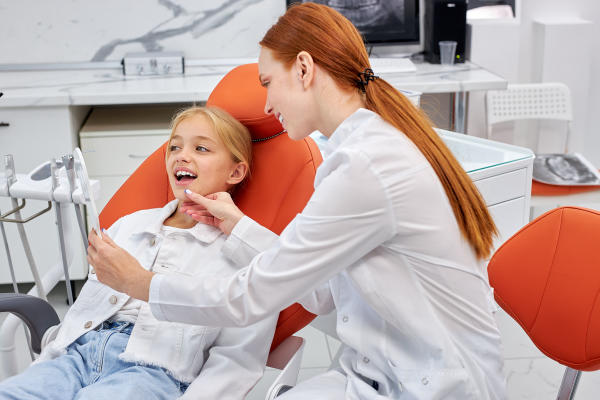
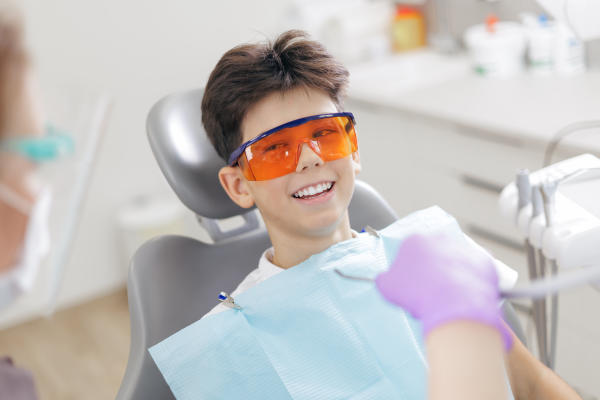
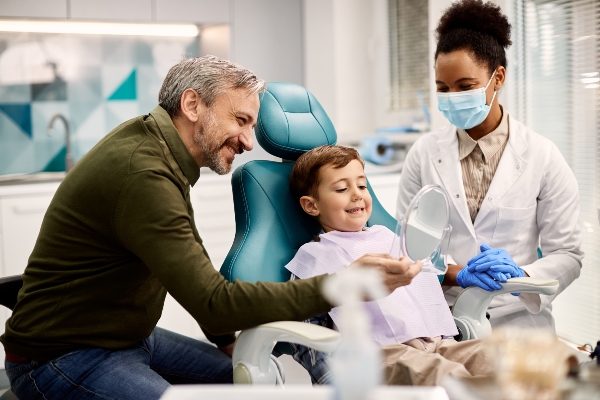
 As a parent, you probably understand that pediatric dentistry is an important aspect of your child's overall health. However, you first need to deal with the teething process as the baby teeth emerge from the gums. It varies among babies, but teething typically begins around six months of age. Common symptoms include sore and irritated gums, excessive drooling, and irritability. These affect both the baby and the parents, but the good news is that there are things that help manage your child's discomfort.
Tips for dealing with teething
While your child is going through teething, it may seem that the symptoms will never end. However, the good news is it is just a temporary phase. You can always ask a pediatric dentistry professional how to reduce the symptoms, but these are some common parent-approved remedies.
1. Cool washcloth
Chilled items help to numb irritated areas, and a washcloth is an easy option. Use a clean washcloth, get it wet, and then wring it out. Place it in a clean area in the fridge to cool. Once it is chilled enough, fold it and allow your baby to chew on it. The cooling aspect will help with any swelling, and the pressure from chewing on it will also help relieve the soreness.
2. Chilled foods
You can also have your child chew on chilled foods. Good options include soft fruits such as melon, strawberries, bananas, watermelon, mangoes, and applesauce. If you are worried about a young child choking on a piece of fruit, you can puree the fruit, put it in ice cube trays, and then take a frozen cube and put it in a mesh feeder. Another food option for a young child eating solid foods is a frozen waffle, as the squares catch the excess drool.
3. Gum massage
In pediatric dentistry, they often recommend using a clean finger to lightly massage the gums using circular motions. This helps relieve pain and can be soothing in general.
4. Drool wipes
One of the issues with teething is excess drool, and this often results in a rash around the mouth and chin. This can cause additional discomfort on top of the teething itself. Use a cloth diaper or soft bib to regularly wipe off the drool. You can also drape these items around the neck and chest to protect the baby's clothes.
5. Hugs and snuggles
Sometimes what your child needs is plain old cuddle time. Choose a comfortable chair, grab some blankets, and give your baby lots of snuggles and hugs. Not only is this comforting to your child, but it also allows both of you to have some quiet time and maybe even a rest.
Conclusion
Teething can be a tough time for babies and parents. Fortunately, it does not last forever, and there are remedies to help manage the discomfort. Once the first tooth arrives, you can schedule a pediatric dentistry appointment to establish good oral health routines.
Request an appointment or call Hudson Valley Pediatric Dentistry at 845-363-4177 for an appointment in our Middletown office.
Recent Posts
Kids dental crowns can treat many dental issues, including cavities that are too large for traditional filling material. Cavities can eat away and weaken children's teeth, requiring restorative treatments to protect the teeth's structure and function. Here are the details about when dental crowns can help after a cavity treatment.A pediatric dentist may suggest a…
Kids dental crowns reinforce a decayed or damaged tooth, restoring its function and beauty. These are just two of the many benefits of crowns. For instance, they also require minimal aftercare. Children of all ages can benefit in different ways from these versatile restorations.Kids dental crowns can restore a variety of dental conditions. They are…
Kids dental crowns are popular dental restorations that preserve and enhance the function of damaged or weakened teeth. These custom-made caps are designed to fit over the existing tooth, providing structural support and appearance improvements. However, not all dental crowns are created equal. The type of dental crown can significantly impact its longevity and aesthetic…