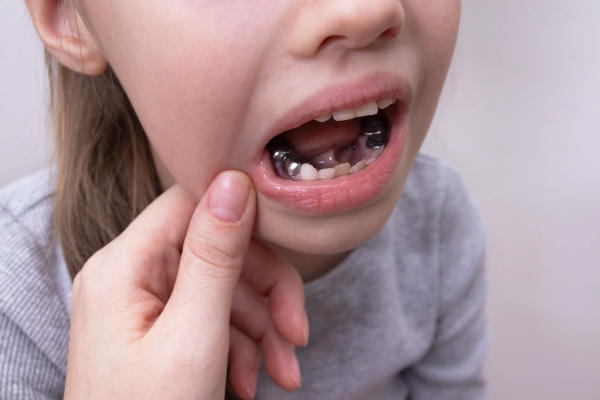
 Once teething starts, you should pay close attention to your child's teeth to avoid tooth decay, cavities, and other oral health problems. A dentist specializing in pediatric dentistry might advise against pacifiers and other items that might interfere with the healthy development of their oral tissues. Sucking on a pacifier is common among infants and toddlers, who frequently find comfort.
Why the dentist discourages pacifiers
Dentists are aware of the dangers of pacifiers. For generations, parents have relied on pacifiers to keep their children quiet, prevent public screaming, aid teething, and encourage sleep. Their purpose has made pacifiers indispensable to many working parents. Dentists, on the other hand, might advise against its use.
For the first few years of a child's life, pacifiers and infant bottles do not damage their teeth. Pacifiers' relaxing benefits outweigh their drawbacks initially. However, long-term usage of pacifiers might lead to dental health problems in children. When a youngster develops more teeth, the adverse effects of using a pacifier become apparent.
Although most youngsters quit using pacifiers alone, a dentist's intervention may be necessary in some cases. The reason is that pacifiers might interfere with a child's normal oral and dental development. Using a pacifier for an extended period can alter a child's oral cavity development, increase their risk of ear infections, and alter their teeth alignment. Orthodontic complications will require substantial dental work. The dentist may suggest using an oral device if the pacifier habit persists.
The following are some of the reasons a dentist might discourage pacifier usage:
Malocclusion
A significant danger of prolonged pacifier usage is malocclusion. The child's teeth may not align correctly when the mouth is closed. When children use pacifiers over three, this problem becomes more pronounced. A child's oral health might deteriorate if the issue is not addressed. This condition might even affect chewing and speaking.
Infections
It is also possible to get an oral infection by sucking on a pacifier. The pacifier may inflict Candida and other bacterial species if parents do not adequately clean and sterilize it. The use of latex in pacifiers is a significant problem. However, even with thorough cleaning and sterilization, there is always some danger.
Otitis media
Babies that use pacifiers are more likely to suffer from otitis media, which is a weird but true finding. This condition refers to a buildup of fluid in the middle ear. In addition, the Eustachian tube may become dysfunctional if a youngster suffers an altered tooth structure. To avoid otitis media, parents should not give their children pacifiers, according to a dentist in pediatric dentistry.
The bottom line
Crooked teeth or bite issues might result from a long-term and regular sucking habit. The more time your kid spends on pacifier use, the more likely they will require orthodontic treatment. According to the American Academy of Pediatric Dentistry, pacifier usage should be discouraged at age three. If you have additional questions, book an appointment with the pediatric dentistry office.
Request an appointment or call Hudson Valley Pediatric Dentistry at 845-363-4177 for an appointment in our Middletown office.
Recent Posts
Kids dental crowns are a versatile solution in pediatric dentistry. They help protect damaged teeth and support the replacement of missing ones, making them a reliable option for long-term oral health. They can also improve the appearance of the smile. Pediatric dentists recommend crowns to restore function, protect developing teeth, and ensure a healthy, lasting…
Pediatric dentists recommend kids dental crowns for children’s teeth. Veneers are a cosmetic treatment for adults, while dental crowns serve restorative purposes for both adults and children. Here is a closer look at the differences between these two treatments and why dental crowns are the appropriate choice for kids.Dental crowns and veneers are similar in…
A cavity does not always require the same type of restoration. In some situations, a child's dentist may consider an inlay or onlay when a tooth needs more support than a filling can provide but may not require a full crown. These restorations repair damaged areas while allowing healthy tooth structure to remain in place.…