Baby Root Canal Information From a Pediatric Dentist
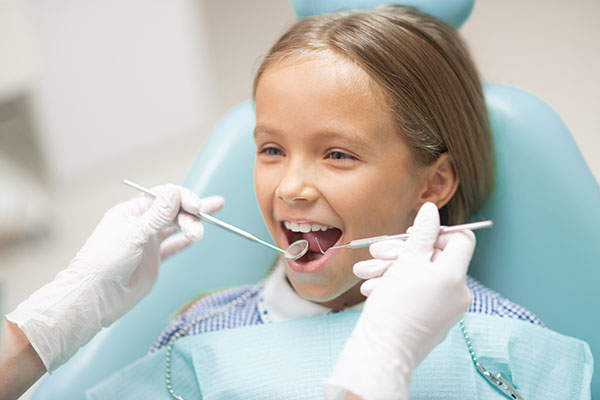
The thought of a baby root canal may spark fear in parents, but it is important to know that pediatric dentists can ensure a safe and secure procedure. They will be able to restore the child's tooth to its original condition, both functionally and aesthetically.
That said, many parents would like to understand how the procedure works, which can be helpful in reducing their anxiety. Additionally, when parents understand the procedure, they can better explain it to their child before and during the process. This helps alleviate any fears and anxieties that the child might be experiencing too. Keep reading to find out more.
What is a baby root canal?
Here is a quick overview of baby root canals, including what they are and how pediatric dentists perform the procedure.
Defining the baby root canal procedure
A baby root canal is similar to a traditional root canal for adults, but it is geared toward baby teeth, also known as the primary teeth. The procedure is done in order to combat tooth loss, restore good oral health, and renew the tooth so it can get back to functioning and appearing normally. Here is a list of each step of a typical baby root canal:
- The pediatric dentist will administer a numbing agent and sedative to keep the child comfortable during the procedure. This may take up to 15 minutes to set in, which is completely normal.
- Once the child feels comfortable, the baby root canal procedure can begin. The pediatric dentist will remove the infected portions of the pulp, which are located in the inner tooth. In order for them to do this, a small dental instrument is used, which can produce drilling sounds. It is advised to put headphones over the child's ears, as this can alleviate their anxiety.
- After removing the infected pulp, the dentist will clean and disinfect the pulp chamber to ensure that it is free of bacteria and debris. The chamber is cleaned using a water stream and an antibacterial solution.
- Next, gutta-percha will be applied to the empty cavity of the tooth to seal it off and protect it from future damage. Gutta-percha is a rubbery material used in dentistry that is safe for the oral cavity and harmless to the soft and hard tissues.
- Lastly, the pediatric dentist will place a dental crown to complete the baby root canal procedure.
In most cases, a baby root canal procedure will use a composite resin dental crown, which is considered a temporary solution. Since baby teeth eventually fall out, dentists rarely use gold or ceramic crowns, which are considered permanent fixes. If the child is very young, then a permanent material will be used, in which a temporary crown is placed during the procedure and the permanent one is crafted in a dental lab. The permanent one will be placed at another appointment. However, if the child is near the age of tooth loss, then composite resin is likely to be used for the time being, as this is more resourceful.
The role of a pediatric dentist
Pediatric dentists are experts at performing procedures on infants, children, and adolescents. They undergo extensive training to learn how to be patient and gentle with children while easing any of their fears (as well as those of the parents). Pediatric dentists also study the teeth specifically to learn how to properly care for baby teeth versus adult teeth. They learn what the signs of concern may be in regard to the development of the teeth and gums. This enables them to catch any red flags early on.
As it relates to baby root canals, pediatric dentists will carefully perform the procedure in a comfortable setting so the child feels safe and secure. While all dentists aim to do this, when it comes to pediatric patients, there is more of a need to be extremely calm, collected, and patient.
Does your child need a baby root canal?
Parents who want more information on baby root canals can consult with a pediatric dentist to learn more about the specific details. Every patient is different, which means they will have varying needs. A consultation appointment can identify goals, needs, and preferences, all of which will be considered by the pediatric dentist during the procedure. Additionally, any concerns or questions about the process can be appropriately addressed. Reach out today to learn more or to schedule an appointment.
Request an appointment here: https://www.hvkidsmiles.com or call Hudson Valley Pediatric Dentistry at (845) 363-4177 for an appointment in our Middletown office.
Check out what others are saying about our services on Yelp: Read our Yelp reviews.
Recent Posts
Kids dental crowns reinforce a decayed or damaged tooth, restoring its function and beauty. These are just two of the many benefits of crowns. For instance, they also require minimal aftercare. Children of all ages can benefit in different ways from these versatile restorations.Kids dental crowns can restore a variety of dental conditions. They are…
Kids dental crowns are popular dental restorations that preserve and enhance the function of damaged or weakened teeth. These custom-made caps are designed to fit over the existing tooth, providing structural support and appearance improvements. However, not all dental crowns are created equal. The type of dental crown can significantly impact its longevity and aesthetic…
Kids dental crowns are a valuable investment in your child's oral health and smile's appearance. Whether they have received crowns to restore damaged teeth or for cosmetic reasons, it is important to properly care for them to ensure they last a long time. Here are some essential tips to help maintain the longevity and aesthetics…
Kids dental crowns can restore children's teeth that have been compromised by damage or decay. These restorations help maintain the appearance and function of primary and permanent teeth, providing essential protection as the child grows up. However, proper care and maintenance are necessary to ensure their longevity and effectiveness, as poor oral hygiene can lead…